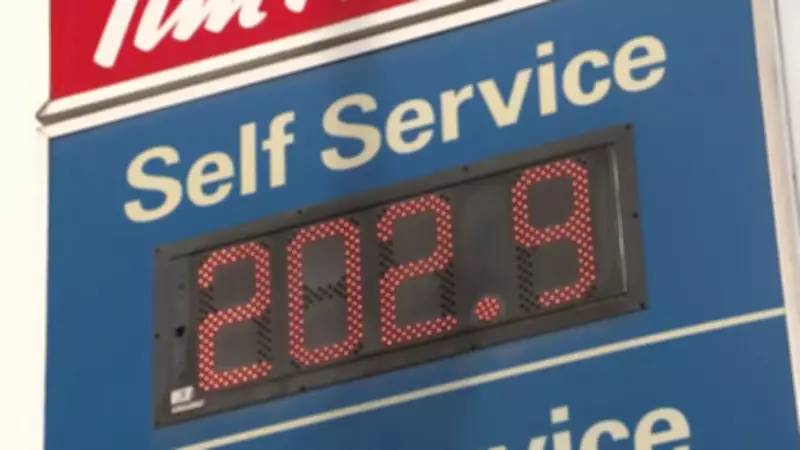
Vancouver residents are grappling with a sharp rise in fuel expenses as gas prices have surged beyond the $2 per litre threshold. This increase, recorded on March 15, 2026, places additional financial strain on commuters and businesses already navigating a challenging economic landscape.
Record-High Fuel Costs Hit the City
The spike in gas prices represents one of the highest levels seen in recent years, with local stations adjusting their rates upward throughout the day. Analysts attribute this surge to a combination of factors, including global market fluctuations, supply chain disruptions, and regional demand pressures. The timing coincides with broader inflationary trends affecting various sectors across Canada.
Impact on Daily Life and Economy
For many Vancouverites, the increased cost of fuel translates into higher expenses for daily commuting, errands, and transportation needs. Small businesses, particularly those reliant on delivery services or fleet operations, may face elevated operational costs, potentially leading to price adjustments for consumers. This development underscores the interconnected nature of energy prices and economic stability in urban centers.

Broader Context and Comparisons
While Vancouver experiences this notable price hike, other regions across Canada are also contending with fluctuating fuel costs, though not all have reached the $2 per litre mark. The situation in Vancouver highlights the city's vulnerability to energy market shifts and its reliance on transportation infrastructure. Experts suggest that such increases could prompt discussions about alternative energy sources and public transit investments to mitigate future impacts.
As gas prices remain a critical concern for households and industries alike, monitoring these trends will be essential for understanding their long-term effects on the local economy and lifestyle.