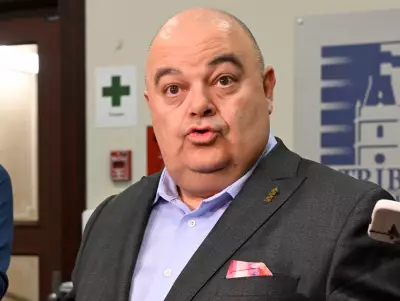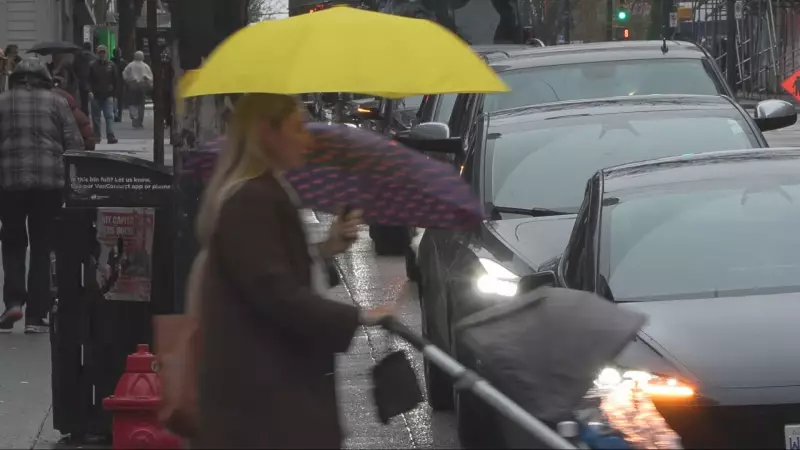
A significant change to Vancouver's traffic rules is now on the table at City Hall. A city councillor is spearheading a proposal to prohibit right turns at red lights across a large number of intersections, arguing the current practice poses an unacceptable risk to public safety.
The Safety Argument Behind the Proposed Ban
The core of the councillor's argument rests on the inherent dangers of allowing vehicles to turn right while pedestrians and cyclists have the right of way to cross. Proponents of the ban suggest that eliminating this maneuver would reduce conflicts, potentially preventing collisions and making streets safer for vulnerable road users. The motion calls for making the turn illegal at many, but not all, intersections across the city, indicating a targeted approach rather than a blanket prohibition.
What Happens Next at City Hall
The proposal is now set for formal debate by Vancouver's elected officials. This discussion will likely involve city staff presenting data on collision history at specific intersections, public consultation considerations, and an analysis of how similar bans have functioned in other North American jurisdictions. The outcome of this debate could lead to a pilot project or a more permanent bylaw change, reshaping driving habits in Vancouver for years to come.

Potential Impacts and Public Reaction
If enacted, the ban would represent a major shift for drivers accustomed to the long-standing rule. While the primary goal is enhanced safety, potential consequences could include increased traffic congestion at certain lights as drivers wait for a green signal to turn. The debate will undoubtedly consider balancing safety improvements with traffic flow efficiency. Public feedback is expected to play a crucial role as councillors weigh the benefits of a safer pedestrian environment against the convenience of motorists.
The proposal was formally introduced for discussion on December 05, 2025. Its progression will depend on the level of support it garners from other council members and the results of further technical and community review.