Vancouver's Car Free Days Event Cancelled for 2026
In a significant development for the city's urban landscape, Vancouver's annual Car Free Days event has been officially cancelled for the year 2026. Organizers announced the decision, pointing to logistical challenges and resource limitations as primary factors behind the pause in this community-driven initiative.
Logistical Hurdles and Resource Constraints
The cancellation comes after years of successful events that temporarily closed streets to motor vehicles, encouraging residents to explore alternative modes of transportation such as walking, cycling, and public transit. Event coordinators cited increasing costs, staffing shortages, and complex permit requirements as key obstacles that made planning for 2026 untenable. This move reflects broader trends in event management across major cities, where sustainability efforts often face practical implementation barriers.
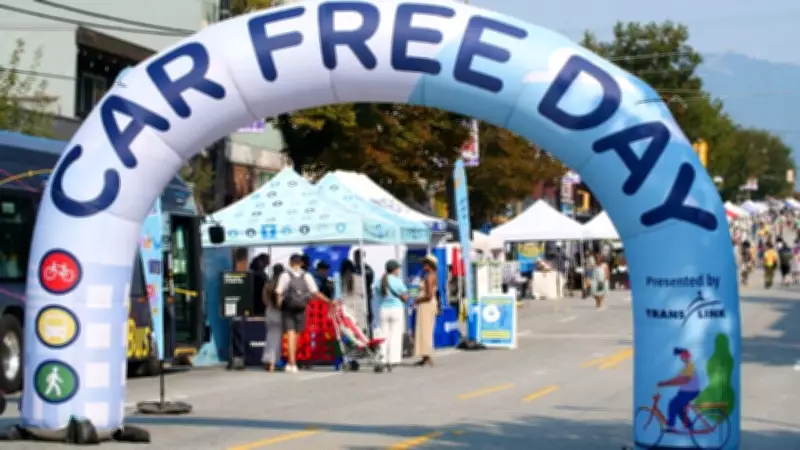
Car Free Days, which typically featured local vendors, live music, and family-friendly activities, had grown in popularity since its inception, drawing thousands of participants annually. The event aimed to promote environmental awareness and reduce carbon emissions by showcasing the benefits of car-free urban spaces. However, the logistical demands of coordinating street closures, security, and vendor arrangements have escalated in recent years, straining the volunteer-based organization behind the event.

Community Impact and Future Prospects
Local residents and businesses have expressed disappointment over the cancellation, noting the economic and social benefits the event brought to neighbourhoods. Small retailers often reported increased foot traffic and sales during Car Free Days, while community groups valued the opportunity to engage with the public on sustainability issues. Organizers have not ruled out a potential return in future years but emphasized the need for more robust funding and municipal support to ensure long-term viability.
The pause in Car Free Days aligns with ongoing discussions in Vancouver about urban mobility and climate action. City officials have reiterated their commitment to sustainable transportation goals through other initiatives, such as expanding bike lanes and improving public transit infrastructure. This cancellation may prompt a reevaluation of how large-scale community events are funded and managed in the context of environmental advocacy.
As Vancouver navigates this change, stakeholders are encouraged to explore alternative ways to promote car-free living, such as participating in smaller local events or advocating for policy changes that prioritize pedestrian and cyclist safety. The legacy of Car Free Days serves as a reminder of the community's enthusiasm for innovative approaches to urban sustainability.