Vancouver International Airport Achieves Historic Milestone in 2025
Vancouver International Airport, widely recognized by its airport code YVR, has marked a significant milestone in its 94-year history. The airport reported unprecedented levels of activity in 2025, setting new records for both passenger travel and cargo shipments. This achievement underscores YVR's growing role as a critical transportation hub on Canada's West Coast.
Record-Breaking Passenger Numbers and Regional Trends
In 2025, YVR managed an impressive 26.9 million travelers, representing a 2.7 percent increase compared to the previous year. This growth was driven by notable surges in specific travel segments. Domestic travel experienced a robust uptick of 3.8 percent, while journeys to the Asia Pacific region soared by 15.6 percent. However, these gains were partially offset by a 7.1 percent decline in traffic to United States destinations, reflecting shifting travel patterns and economic factors.
Cargo Operations Reach New Heights
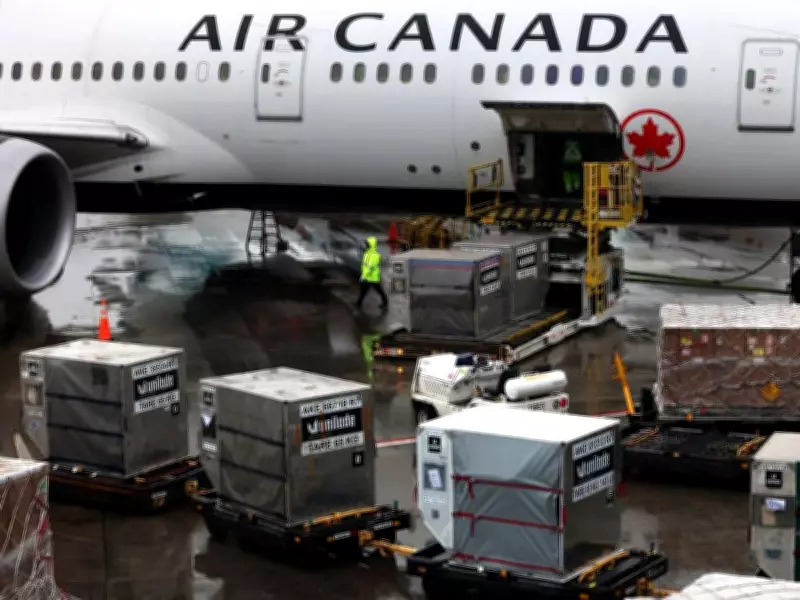
The airport's cargo division also demonstrated remarkable performance, handling 365,000 tonnes of goods. This figure marks a substantial 7.4 percent rise over 2024 levels. YVR primarily facilitates the movement of high-value, time-sensitive, and perishable commodities. Approximately 70 percent of this cargo is transported in the bellies of passenger aircraft, a higher proportion than the typical 50-50 split observed at most airports globally.

Leadership Insights and Future Preparedness
Tamara Vrooman, President and CEO of Vancouver Airport Authority, attributed the record results to a combination of strong operational execution, exceptional customer service, and globally recognized innovation. Vrooman emphasized that YVR is in an excellent financial position and possesses the capacity to accommodate growth in both passenger and cargo traffic for the next three to four decades.
"Looking forward, YVR is ready to welcome additional flights and carriers to connect more of Canada with global markets while simultaneously generating jobs and opportunities here at home," stated Vrooman. She recently conveyed this readiness to Prime Minister Mark Carney during his visit to the airport en route to Asia.
Strategic Expansion and Innovative Projects
Advanced modeling indicates that with technological enhancements to streamline aircraft and passenger movement, a third runway may not be necessary until Vancouver handles traffic volumes comparable to major hubs like London's Heathrow Airport—more than triple YVR's current capacity. Consequently, land initially earmarked for a third runway can be reallocated for cargo expansion and logistics development.
In a pioneering move, YVR is exploring the creation of Canada's first air-to-marine cargo facility. This innovative project would leverage the airport's unique island location adjacent to the Fraser River to transfer cargo directly from aircraft to marine barges. This approach aims to reduce truck congestion on highways and commercial areas by facilitating eastbound transport via waterways.
"We're quite excited about that," Vrooman remarked regarding the potential air-to-marine facility.
Economic Impact and Cargo Composition
As Canada's second-busiest airport behind Toronto's Pearson International, YVR contributes over $15 billion annually to the nation's gross domestic product. The airport's cargo portfolio is diverse, encompassing seafood (including perishable live products), industrial machinery such as computers and technology, electric machinery, plastics, and agricultural goods.
This record-setting year not only highlights YVR's operational excellence but also its strategic vision for sustainable growth and innovation in the aviation sector.