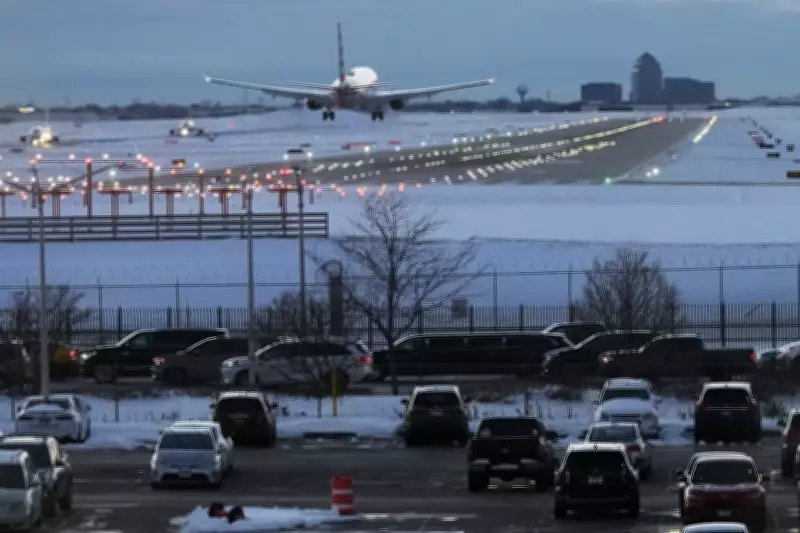
Major Storms Cause Over 10,000 U.S. Flight Delays and Cancellations
Severe weather systems sweeping across the United States have triggered significant disruptions to air travel, resulting in more than 10,000 flight delays and cancellations nationwide. The widespread storms have impacted major aviation hubs, creating a cascade of logistical challenges for airlines and passengers alike during a period of heightened travel activity.
Widespread Aviation Disruption
The atmospheric conditions have created what aviation experts describe as "an exceptionally demanding operational environment" for carriers. Flight tracking data reveals that delays have accumulated at key airports including Chicago's O'Hare International, where similar weather-related disruptions have occurred in recent years. The compounding effect of multiple storm systems has stretched airline resources thin, with ground crews and air traffic controllers working extended hours to manage the situation.
Passenger Impact and Response
Travelers across the country have faced considerable inconvenience, with many experiencing last-minute schedule changes and extended airport stays. Airlines have implemented flexible rebooking policies and waived change fees for affected passengers, though customer service systems have been overwhelmed by the volume of inquiries. The disruption comes during a period when air travel demand typically increases, amplifying the operational and customer relations challenges for the aviation industry.

Weather Patterns and Forecast
Meteorological reports indicate that the disruptive weather involves a combination of systems, including what some forecasters describe as "prolonged atmospheric river events" affecting coastal regions and strong frontal systems moving across the interior. Weather alerts have been issued for multiple regions, warning of conditions including heavy precipitation, gusty winds, and reduced visibility that create hazardous flying conditions. Aviation authorities continue to monitor developing weather patterns that may extend the travel disruptions.
Industry Implications
The scale of this disruption highlights the aviation industry's ongoing vulnerability to extreme weather events, which have been increasing in frequency and intensity according to climate researchers. Airlines face not only immediate operational costs from delays and cancellations but also longer-term challenges in building more resilient scheduling and recovery systems. This event follows similar weather-related disruptions in recent years, prompting renewed discussion about infrastructure adaptation and contingency planning within the aviation sector.