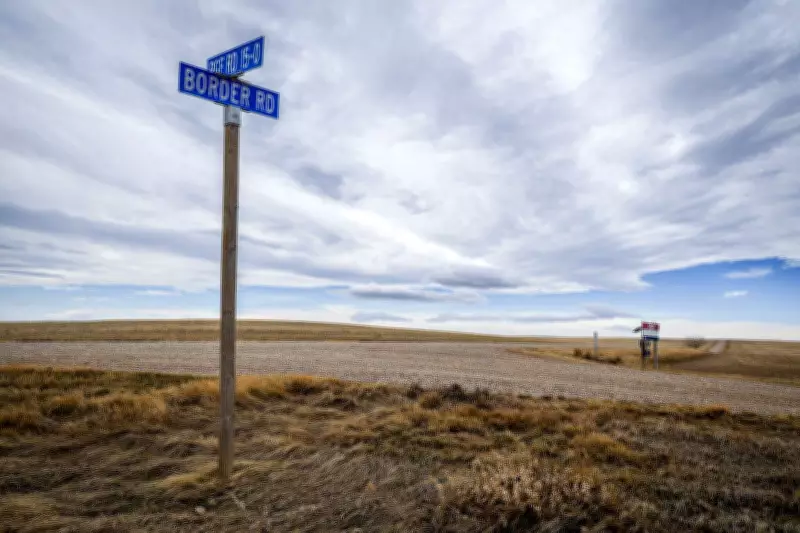
The United States has abruptly closed a historic border road to Canadian traffic near Coutts, Alberta, a move that has sparked significant outrage and frustration among local residents and officials. The decision, which took effect recently, blocks a long-used route that has facilitated cross-border movement for decades.
Immediate Impact on Cross-Border Travel
The closure of this road, which runs alongside the U.S. border, has immediately disrupted travel patterns for Canadians who rely on it for daily commutes, business, and personal visits. A road sign was erected on March 19, 2026, indicating the new restriction, leaving many in the area scrambling for alternatives. The sudden nature of the closure has been described as "ridiculous" by some affected individuals, highlighting the lack of prior consultation or warning.
Historical Significance and Local Reactions
This border road holds historical importance as a key connection point between the two nations, often used for informal crossings and local trade. Its closure not only inconveniences travelers but also severs a symbolic link in the region. Local authorities in Alberta have expressed concern over the economic and social repercussions, with calls for dialogue to address the issue. The move comes amid broader discussions on border security and international relations, though specific reasons for the closure have not been fully disclosed by U.S. officials.

Broader Context and Future Implications
The closure raises questions about the future of cross-border infrastructure and cooperation between the U.S. and Canada. It may signal a shift in border management policies, potentially affecting other rural areas along the 49th parallel. Residents and businesses in Coutts and surrounding regions are now facing increased travel times and costs, with some fearing long-term impacts on community ties and economic activity. As tensions simmer, there is growing pressure for a resolution that balances security concerns with the needs of border communities.