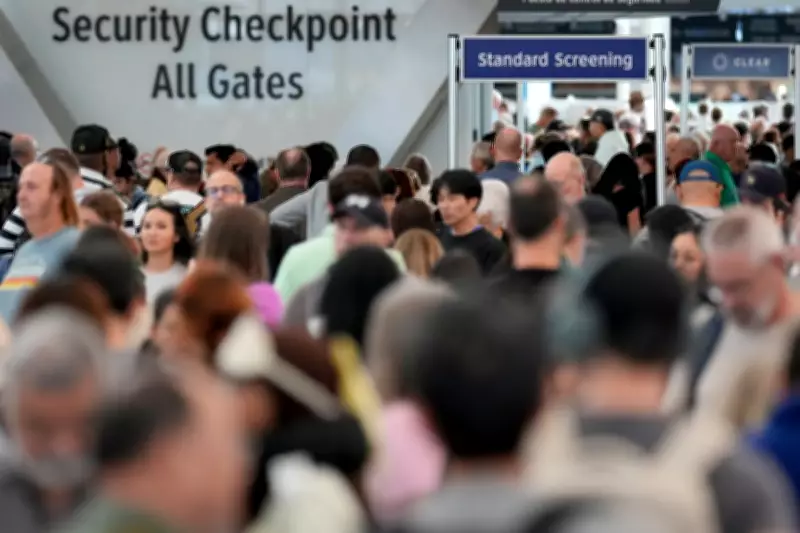
In a significant shift from long-standing travel advice, major airports across the United States are now actively discouraging passengers from arriving excessively early for their flights. This new guidance aims to alleviate terminal congestion and improve the overall travel experience by reducing overcrowding in check-in and security areas.
Reversing Traditional Travel Wisdom
For decades, travelers have been instructed to arrive at airports well in advance of their scheduled departures, typically two to three hours for domestic flights and even earlier for international journeys. This precautionary measure was designed to accommodate unpredictable security lines and potential check-in delays. However, airport authorities now report that this practice has led to new problems, including overcrowded terminals that strain facilities and staff.
The Congestion Conundrum
When too many passengers arrive simultaneously hours before their flights, it creates bottlenecks at security checkpoints, ticketing counters, and waiting areas. This congestion not only diminishes passenger comfort but also complicates the operational efficiency of airport personnel. By staggering arrival times more effectively, airports hope to create a smoother flow through critical checkpoints.

Airport officials emphasize that this new advice doesn't mean travelers should cut their timing too close. Rather, they recommend arriving within the standard windows—approximately two hours for domestic flights and three hours for international travel—instead of showing up four or five hours early, which has become increasingly common.
Balancing Security and Convenience
The revised guidance represents a delicate balance between maintaining rigorous security protocols and enhancing passenger convenience. Transportation Security Administration (TSA) checkpoints must still process all travelers thoroughly, but excessive early arrivals mean passengers spend unnecessary hours in secure areas after clearing security, contributing to crowded gates and limited seating.
Technology's Role in Timing
Modern travel tools are helping make this shift possible. Many airports now offer real-time security wait information through mobile applications and digital displays. Airlines provide more accurate check-in and boarding updates. These technological advancements give travelers better data to plan their airport arrival with greater precision than was possible in previous decades.
"We're not telling people to arrive at the last minute," clarified one airport operations director. "We're encouraging them to use the tools available to time their arrival more intelligently. When everyone shows up extremely early, it actually slows down the process for everyone."
Passenger Adaptation and Future Implications
Initial passenger reactions have been mixed, with some frequent travelers welcoming the reduced crowding while others express anxiety about deviating from long-established routines. Airport staff are being trained to communicate the new guidance clearly and help passengers adjust their planning habits.
This policy shift may have broader implications for airport design and operations. If successful in reducing peak congestion, it could influence how future terminals are configured, potentially with less emphasis on massive pre-security waiting areas and more on streamlined processing facilities.
The change comes as air travel continues to recover and expand post-pandemic, with passenger volumes approaching or exceeding previous records at many hubs. By managing passenger flow more effectively, airports hope to improve satisfaction metrics while maintaining security standards that protect all travelers.