UPS Concludes Operations of MD-11 Fleet Following Tragic Kentucky Incident
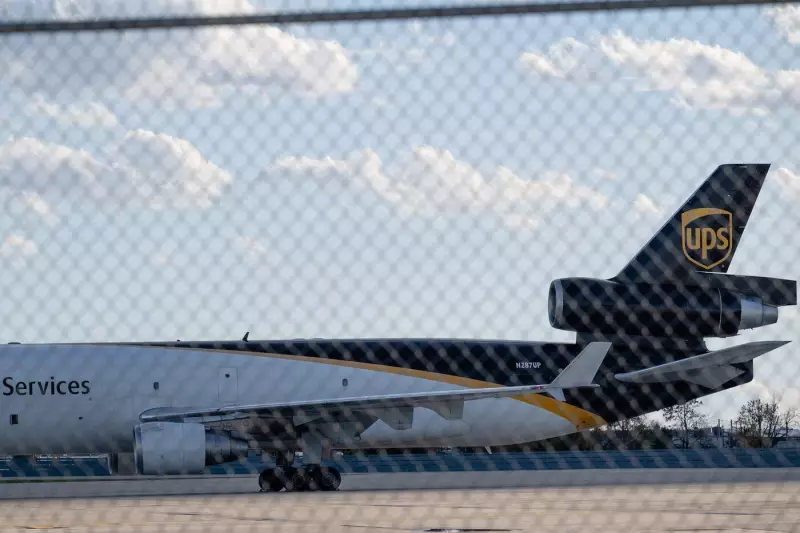
In a significant move for the aviation and logistics sectors, United Parcel Service (UPS) has officially retired its entire fleet of MD-11 cargo aircraft. This decision comes in the aftermath of a deadly crash involving one of these planes in Kentucky, marking the end of an era for the company's air operations. The retirement underscores a broader shift in the industry toward newer, more efficient aircraft models.
Background on the MD-11 and the Kentucky Crash
The MD-11, a tri-jet wide-body aircraft, has been a workhorse in UPS's cargo fleet for decades, known for its long-range capabilities and substantial payload capacity. However, its safety record has come under scrutiny following a fatal accident in Kentucky. That crash, which resulted in multiple fatalities, prompted intense investigations and raised questions about the aging aircraft's reliability and maintenance protocols.
While UPS has not explicitly linked the retirement directly to the crash, the timing suggests it played a pivotal role in accelerating the phase-out. The company has emphasized its commitment to safety and modernization, aligning with industry trends that favor more fuel-efficient and technologically advanced planes.

Implications for UPS and the Aviation Industry
The retirement of the MD-11 fleet represents a major operational change for UPS, which will now rely more heavily on newer aircraft like the Boeing 767 and 747-8 freighters. This transition is expected to enhance efficiency, reduce environmental impact through lower emissions, and improve overall safety standards. For the aviation industry, this move highlights the ongoing phasing out of older tri-jet models in favor of twin-engine designs that offer better economics and performance.
Experts note that such retirements are becoming increasingly common as companies seek to modernize their fleets amid rising fuel costs and stricter regulatory requirements. UPS's decision may influence other cargo carriers to evaluate their own aging aircraft, potentially leading to broader industry shifts.
Looking Ahead: Safety and Innovation in Air Cargo
As UPS moves forward without the MD-11, the focus will likely be on integrating advanced technologies and sustainable practices into its air network. This includes investments in electric or hybrid aircraft research, enhanced pilot training programs, and improved maintenance systems to prevent future incidents.
The retirement serves as a reminder of the critical balance between operational efficiency and safety in the high-stakes world of air cargo. While the MD-11 era has ended, its legacy—particularly the lessons learned from the Kentucky crash—will continue to shape aviation policies and corporate strategies for years to come.