Traffic Circles Could Make Rural Alberta Roads Safer, Study Finds
For drivers navigating the vast network of rural roads in Alberta, a common and dangerous phenomenon occurs at intersections. When two vehicles approach at right angles with similar speeds, they can become completely obscured by the vertical A-pillars of the front windshield. This creates a sudden, alarming moment where a driver might exclaim, "Where did that car come from?" This visibility issue is not merely an inconvenience; it has proven fatal.
Tragic Crashes Highlight Intersection Dangers
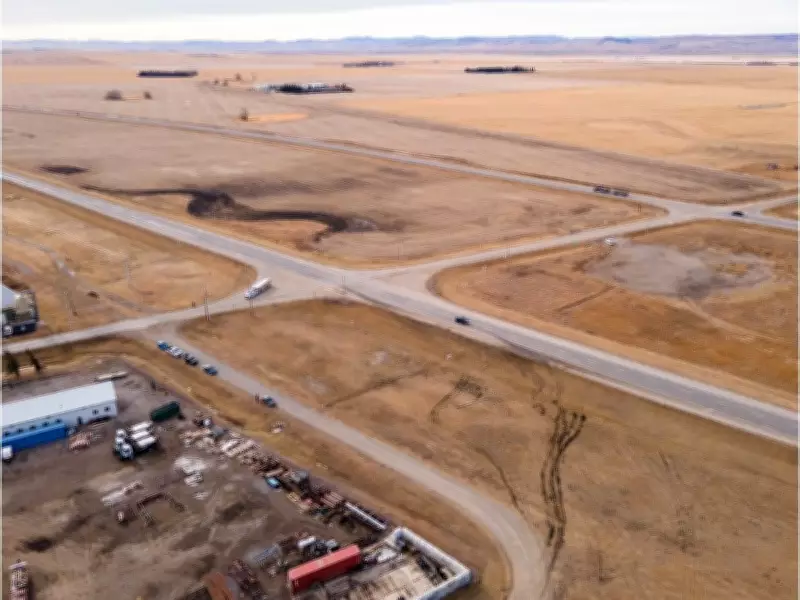
Fatal collisions at rural intersections, such as those near Humboldt, Saskatchewan, and Stavely, Alberta, have demonstrated that traditional safety measures are insufficient. Stop signs and even rumble strips fail to address this fundamental problem of obscured sightlines. In Stavely, the crash that claimed the lives of three young hockey players—Cameron Casorso, J.J. Wright, and Caden Fine—serves as a heartbreaking example of the risks present at these junctions.
The Safety Benefits of Traffic Circles
Research and practical evidence suggest that traffic circles, also known as roundabouts, offer a significantly more effective solution. Their design inherently promotes safety through several mechanisms:

- Speed Reduction: Vehicles must slow down to navigate the circular flow.
- Elimination of Right-Angle Conflicts: The geometry prevents the high-speed, perpendicular collisions common at traditional intersections.
- Enhanced Situational Awareness: Drivers are forced to pay continuous attention to merging traffic, reducing the chance of a missed observation.
By addressing the core visibility issue, traffic circles dramatically reduce the risk of serious collisions. Their implementation has been shown to lower fatal and injury-causing crashes substantially compared to stop-sign-controlled intersections.
A Call for Systematic Infrastructure Change
The article argues that symbolic or low-impact measures are inadequate. It calls on Alberta's Transportation Minister, Devin Dreeshen, to initiate a systematic program of converting high-risk rural intersections into traffic circles. This proactive approach to infrastructure could transform the safety landscape of Alberta's rural road network.
Investing in traffic circles represents a tangible step toward preventing future tragedies. As the community mourns the loss of young lives in Stavely, there is a growing impetus to adopt proven engineering solutions that prioritize human safety over convenience or minimal cost. The hope is that such losses will catalyze meaningful change, leading to a safer transportation system for all Albertans.