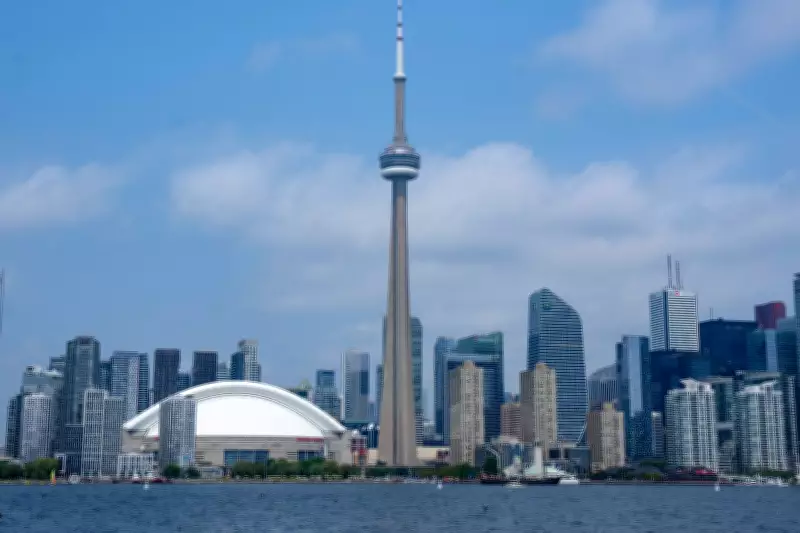
Toronto Considers 'SeaBus' Ferry Service for Inner Harbour Crossing
City officials in Toronto are actively studying the feasibility of implementing a 'SeaBus' style ferry service to traverse the Inner Harbour. This innovative transit proposal aims to provide a new water-based transportation link, potentially easing congestion and offering scenic commuter options. The concept, inspired by similar successful systems in other waterfront cities, is now under detailed examination as part of Toronto's broader urban mobility strategy.
Projected Costs and Financial Implications
Preliminary assessments have begun to outline the financial requirements for such an ambitious project. While exact figures remain under refinement, early estimates suggest significant capital investment would be necessary for vessel acquisition, terminal construction, and operational infrastructure. Ongoing operational costs, including staffing, maintenance, and fuel or energy sources, are also being meticulously calculated to ensure long-term viability and public affordability.
The cost analysis considers various factors, such as:

- Potential vessel types and their procurement expenses
- Dock and passenger facility construction at key waterfront locations
- Integration with existing public transit networks like the TTC
- Environmental impact assessments and mitigation measures
- Projected ridership numbers and fare revenue models
Operational Vision and Community Impact
Envisioned as a reliable, year-round service, the proposed SeaBus would operate on a scheduled basis, connecting strategic points along Toronto's waterfront. Proponents argue it could reduce travel times for certain cross-harbour trips while alleviating pressure on road and rail networks. The service would also enhance Toronto's tourism appeal, offering residents and visitors a unique perspective of the city's iconic skyline from the water.
Community consultation phases are anticipated to gather public input on route preferences, service frequency, and accessibility features. Transportation experts emphasize that successful implementation would require careful planning to address logistical challenges, including winter navigation in potential ice conditions and ensuring seamless connections to other transit modes.
As the study progresses, Toronto joins a growing list of global cities exploring water transit solutions to complement traditional land-based systems. The final decision will hinge on comprehensive cost-benefit analyses, funding availability, and demonstrated public support for this novel approach to urban mobility in Canada's largest city.