

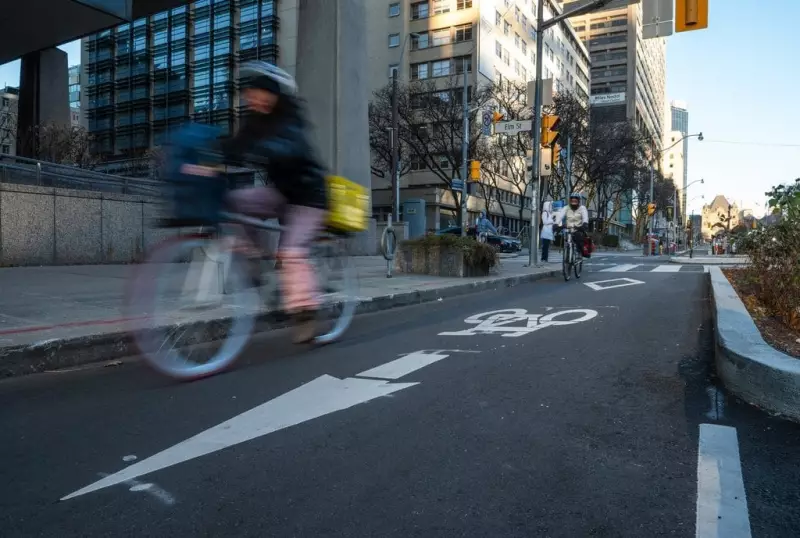
The City of Toronto is charting a course to significantly expand its cycling network, with plans to install approximately 20 kilometres of new bike lanes in the coming year. This initiative proceeds despite recent provincial legislation that some argued could hinder such municipal projects.
City Asserts Authority Amidst Legislative Landscape
At the heart of the matter is the city's interpretation of its powers. A city official, speaking on the matter, clarified the stance: "It's not a loophole," they stated, emphasizing that the municipality is operating within its established rights and jurisdiction. The plan underscores Toronto's commitment to its cycling master plan and active transportation goals, viewing the infrastructure as essential for safety, congestion reduction, and environmental sustainability.
Details of the Planned Expansion
The proposed 20 kilometres of new bike lanes represent a substantial investment in the city's non-vehicular transit options. While specific street locations are to be finalized through public consultation and council approval, the commitment signals a continued push to create a more connected and safer network for cyclists. This development follows the visible use of existing infrastructure, such as the lanes on University Avenue, highlighted in a December 2024 photo by The Canadian Press.

The move is set against a backdrop of broader provincial policy discussions concerning municipal autonomy. Toronto's decision to proceed demonstrates a confident application of its local planning authority, aiming to meet the growing demand for cycling infrastructure from its residents.
Implications and the Path Forward
This proactive step by the city is likely to be welcomed by cycling advocates and urban planners who see protected bike lanes as crucial for modern city living. However, it also places a spotlight on the ongoing dialogue between different levels of government regarding who controls local infrastructure decisions.
The planned installation, reported on December 1, 2025, will involve standard municipal processes, including engineering assessments, community input, and city council votes. The 20-kilometre target provides a clear, measurable objective for the year, offering residents a tangible expectation for improved cycling routes across various neighbourhoods.
Ultimately, Toronto's move to add these bike lanes reinforces its strategic vision for a multi-modal transportation system. It indicates that, regardless of broader legislative shifts, the city intends to prioritize projects it deems vital for the safety, health, and mobility of its populace.






