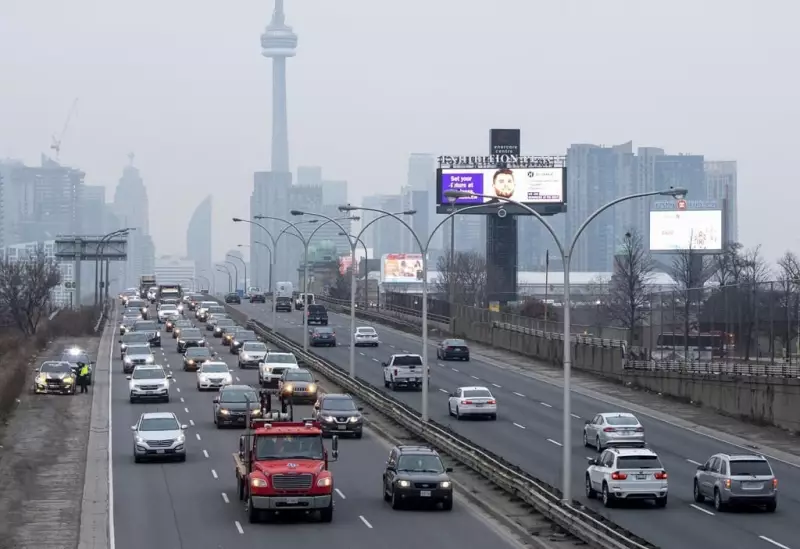
Toronto Commuters Face Significant Time Loss Due to Traffic Congestion
A comprehensive new study has revealed a sobering statistic for residents of Canada's largest city. Toronto drivers lost an average of 100 hours to traffic congestion in 2025, according to recently published research. This substantial time loss underscores the persistent transportation challenges facing the Greater Toronto Area as it continues to grapple with urban growth and infrastructure demands.
The Impact of Chronic Traffic Delays
The study, which analyzed traffic patterns and commute data throughout the year, paints a picture of significant daily disruptions for motorists. These 100 lost hours represent more than four full days spent idling in vehicles rather than engaging in productive work, family time, or leisure activities. The cumulative effect of this congestion extends beyond mere inconvenience, potentially affecting economic productivity, personal well-being, and environmental outcomes through increased vehicle emissions.
Researchers noted that traffic conditions in Toronto's downtown core remain particularly challenging, with bottlenecks frequently occurring during both morning and evening rush hours. The study's findings align with observations from transportation experts who have long warned about the economic and social costs of inadequate infrastructure investment relative to population growth in major urban centers.

Broader Context and Comparative Analysis
While the 100-hour figure is striking on its own, the study placed Toronto's traffic situation within a broader North American context. Several other major metropolitan areas reported similar challenges, though Toronto's numbers rank among the highest for Canadian cities. The research methodology accounted for various factors including:
- Peak travel times and seasonal variations
- Construction-related disruptions
- Weather impacts on traffic flow
- Special events causing atypical congestion
The study's authors emphasized that these traffic delays represent more than just personal inconvenience. They translate to tangible economic costs through lost productivity, increased fuel consumption, and additional vehicle maintenance expenses. Furthermore, the environmental implications of prolonged idling and stop-and-go traffic patterns contribute to air quality concerns in the region.
Potential Solutions and Future Considerations
Transportation planners and policymakers are examining multiple approaches to address Toronto's traffic challenges. These include investments in public transit expansion, implementation of smart traffic management technologies, and consideration of congestion pricing models similar to those employed in other global cities. The study's findings are expected to inform ongoing discussions about urban mobility strategies as Toronto continues to evolve as Canada's economic and cultural hub.
As the city looks toward future development, balancing growth with transportation infrastructure remains a critical priority. The 100-hour statistic serves as a stark reminder of the real-world impacts when transportation systems struggle to keep pace with urban expansion and changing mobility patterns.