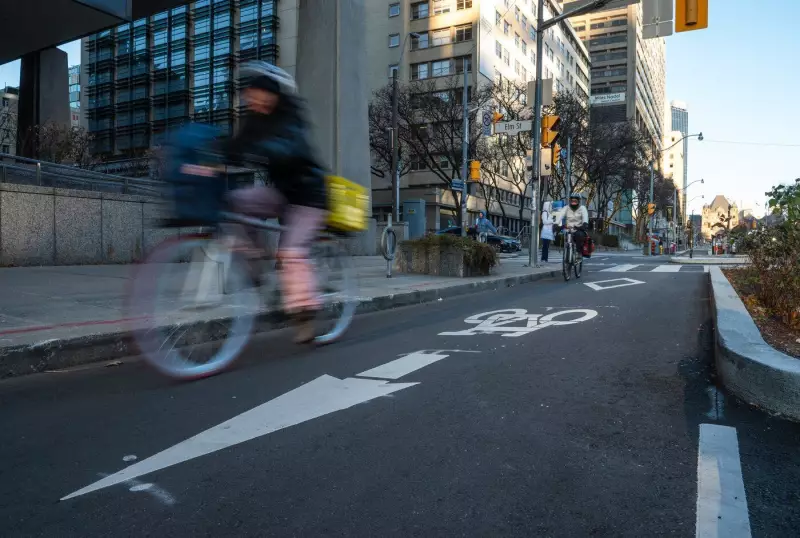
Toronto Cyclists Gear Up for High-Stakes Legal Defense of Bike Lanes Before Ontario's Top Court
A significant legal confrontation is unfolding in Ontario's judicial system, as Toronto cyclists and advocacy groups prepare to mount a robust defense of the city's bike lane network. The case, scheduled for a hearing before the Ontario Court of Appeal, represents a critical juncture for urban cycling infrastructure in Canada's largest city.
The Core of the Legal Challenge
The appeal stems from a lower court decision that upheld the validity of Toronto's bike lane installations along key thoroughfares, including University Avenue. Opponents of the lanes, primarily a coalition of business interests and some motorist advocates, argue that the lanes impede traffic flow, reduce parking availability, and negatively impact local commerce. They are seeking to have the lanes removed or significantly altered, claiming procedural and planning deficiencies in their implementation.
Cyclist organizations, supported by public health and environmental advocates, counter that the lanes are essential for safety, encourage active transportation, reduce carbon emissions, and align with the city's official plans for sustainable development. "This isn't just about paint on pavement," stated a representative from a leading cycling coalition. "It's about the future of how we move in our city, the health of our residents, and our commitment to reducing congestion and pollution."

Broader Implications for Urban Policy
The outcome of this appeal could set a powerful precedent for municipalities across Ontario and potentially other provinces. Legal experts note that the court's ruling may clarify the extent of municipal authority in implementing rapid infrastructure changes, especially those related to climate action and public health initiatives.
The timing is particularly poignant, as cities nationwide grapple with balancing traditional automotive needs with growing demands for safer, more accessible cycling and pedestrian infrastructure. Data from Toronto Public Health indicates a steady increase in cycling rates since the pandemic, with many residents now relying on bikes for daily commuting.
What the Cyclists' Defense Entails
The defense strategy is expected to hinge on several key arguments:
- Safety Statistics: Presenting data showing a reduction in cyclist-motor vehicle collisions on streets with protected bike lanes.
- Economic Benefits: Highlighting studies that suggest bike lanes can boost local retail by increasing foot traffic and visibility.
- Municipal Authority: Asserting the city's right to manage its roadways in accordance with its official plan and provincial policy statements supporting active transportation.
- Public Interest: Emphasizing the lanes' role in achieving broader public goals, such as meeting climate targets and improving population health.
The hearing is anticipated to be closely watched by urban planners, transportation engineers, and advocacy groups from coast to coast. A decision from the Ontario Court of Appeal is likely several months after the arguments are presented, but its ramifications will be felt immediately in city halls and on streets wherever cycling policy is debated.