Toronto Transit Advocate Calls for Surface Network Revitalization to Unlock City's Potential
A prominent transit advocate in Toronto is urging city officials to prioritize the revitalization of the surface transportation network as a strategic move to unlock the city's full transit potential. This call to action emphasizes the critical role that streetcars, buses, and other ground-level transit options play in enhancing urban mobility and reducing congestion across Canada's largest metropolitan area.
The Case for Surface Transit Enhancement
Advocates argue that while underground subway expansions often capture public attention, the existing surface network—including the Toronto Transit Commission's (TTC) extensive streetcar lines and bus routes—represents an underutilized asset. By investing in modernization, improved reliability, and dedicated lanes, this network could significantly boost capacity and efficiency without the exorbitant costs associated with tunneling new subway lines.
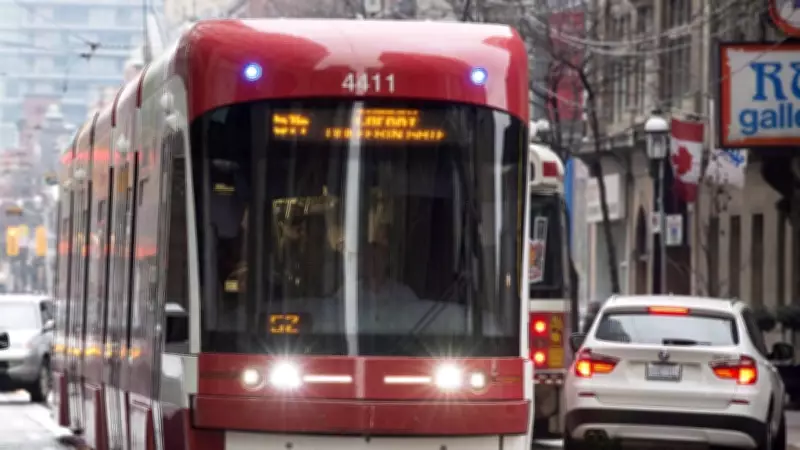
Surface transit, including the iconic TTC streetcars, serves as the backbone of daily commutes for thousands of residents. However, issues such as traffic delays, aging infrastructure, and inconsistent service have hampered its effectiveness. A focused revitalization effort could address these challenges, making surface options more attractive and reliable for a broader segment of the population.

Potential Benefits and Strategic Importance
Revitalizing Toronto's surface network offers multiple benefits. Firstly, it can provide a more immediate solution to transit woes compared to long-term subway projects, which often face lengthy planning and construction phases. Enhanced surface transit could also improve connectivity in neighborhoods that are not currently served by subway lines, promoting equitable access to transportation across the city.
Furthermore, a robust surface network complements other transit modes, creating a more integrated and seamless system. This holistic approach is essential for managing Toronto's growing population and supporting sustainable urban development. Advocates highlight that cities with successful surface transit systems often experience reduced traffic congestion, lower greenhouse gas emissions, and improved quality of life for residents.
Challenges and Considerations for Implementation
Implementing such a revitalization plan is not without obstacles. Key challenges include securing adequate funding, navigating complex urban landscapes to create dedicated transit lanes, and coordinating with various stakeholders, including municipal governments, transit agencies, and the public. Additionally, there may be resistance from drivers and businesses concerned about changes to street layouts and traffic flow.
Despite these hurdles, advocates remain optimistic. They point to successful examples in other North American cities where surface transit enhancements have yielded positive outcomes. With careful planning and community engagement, Toronto could transform its surface network into a model of efficiency and innovation, setting a precedent for other Canadian urban centers grappling with similar transit issues.
In conclusion, the push to revitalize Toronto's surface transportation network represents a pragmatic and potentially transformative strategy for addressing the city's transit challenges. By leveraging existing infrastructure and focusing on ground-level improvements, Toronto can unlock new levels of mobility and sustainability, ultimately enhancing the daily lives of its residents and supporting long-term urban growth.