Motorists traveling from the United States into Canada through the Detroit-Windsor Tunnel are now paying more for the crossing. The toll increase, which took effect at the start of the new year, specifically targets vehicles entering Ontario.
Details of the Toll Adjustment
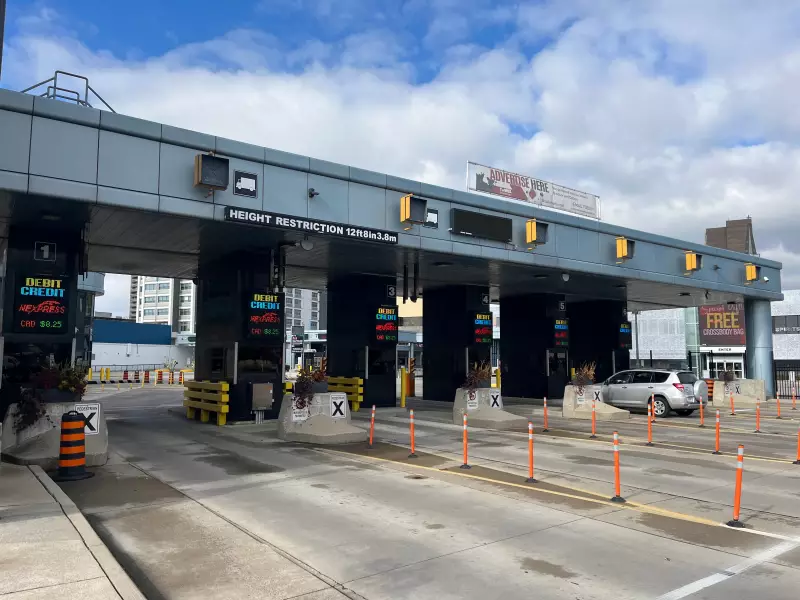
The new fee structure was implemented on January 1, 2026. While the exact percentage or dollar amount of the increase is not detailed in the initial report, the change is confirmed to impact the Canada-bound direction of travel. The tunnel, a critical international link pictured in Windsor, Ontario, in November 2025, is a vital conduit for both commercial and passenger vehicles.
Context and Impact on Cross-Border Commuters
This adjustment adds to the cost of cross-border travel for daily commuters, tourists, and commercial drivers. The Detroit-Windsor crossing is one of the busiest between the two nations, and any change in tolls has a direct impact on the flow of people and goods. The increase comes as many other new regulations and laws take effect across Ontario in 2026.

For residents of Windsor and surrounding areas who work or frequently travel to Detroit, the higher toll represents an increased cost of living and doing business. It may also influence travel decisions for occasional visitors planning trips between Michigan and Southwestern Ontario.
Broader Transportation Landscape
The toll hike at this key border infrastructure point occurs amidst other significant regional news, including severe winter weather affecting transportation and road safety warnings across Ontario. Travelers are advised to factor in the new cost when planning their journeys and to stay informed about other crossing options, such as the Ambassador Bridge, which may have different fee structures.
As with any toll increase, the long-term effects on traffic patterns and local economies on both sides of the border will be watched closely by officials and the communities that depend on this essential connection.