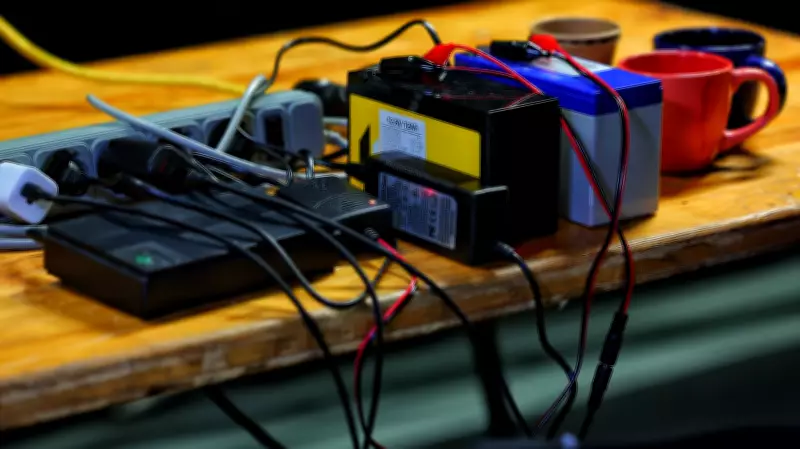
Southwest Airlines Implements Strict Portable Charger Limits to Combat Lithium Battery Fire Risks
Air travel safety is taking a significant step forward as Southwest Airlines announces stringent new restrictions on portable chargers aboard its flights. Beginning April 20, passengers will be permitted to carry only one portable charger per person, a rule that goes beyond current international guidelines and represents a proactive measure against the growing threat of lithium battery fires on aircraft.
New Safety Protocol Exceeds International Recommendations
The airline's new policy is notably stricter than the limit of two chargers per passenger recommended last month by the International Civil Aviation Organization (ICAO). Southwest will not allow the single permitted charger to be stored in overhead bins or checked luggage. This builds upon existing requirements that passengers keep chargers in the open during use, enabling flight attendants to respond swiftly if overheating occurs.
Dave Hunt, Southwest's Vice President of Safety and Security, emphasized that enforcement will focus on education rather than aggressive bag searches or confiscations. "We will stress this to travelers when they book their flights and arrive at the airport while explaining the potential dangers," Hunt stated. This approach aims to raise awareness, as many passengers remain unaware of the risks associated with these devices.

Rising Incidents Drive Urgent Action
Data from the Federal Aviation Administration (FAA) reveals a troubling upward trend in lithium battery incidents, with 97 reported in 2025 alone. This increase correlates directly with the proliferation of rechargeable devices like smartphones, tablets, laptops, and portable chargers carried by travelers.
Jeff Marootian, CEO of UL Standards & Engagement, which sets guidelines for electronic device manufacturers, reported a 42% surge in incidents involving portable chargers in 2025. "We hear about two incidents every week," Marootian noted. "A huge part of the concern here is seeing that number of incidents continue to increase, correlating, of course, to the number of devices that people are bringing on planes."
Catastrophic Potential Highlights Need for Prevention
The dangers were starkly illustrated in January 2025 when a devastating fire aboard an Air Busan plane forced the evacuation of all 176 passengers and crew before flames burned through the aircraft's roof. While such events remain rare compared to the approximately 100,000 daily flights worldwide, the consequences can be catastrophic.
"It can turn into something very serious very quickly," warned Steve Arroyo, an aviation safety expert with 37 years of experience flying for United Airlines. He praised Southwest's new policy as a positive step toward risk reduction.
Practical Measures and Future Enhancements
To support these safety efforts, Southwest plans to equip all its aircraft with in-seat power by mid-next year, reducing passenger reliance on portable chargers. Flight attendants are already equipped with fire-resistant bags and insulated gloves to contain overheating devices, and the new rule is expected to strengthen these containment capabilities.
"This will strengthen our ability to contain and mitigate lithium battery incidents, including reducing the risk of battery fires," Hunt affirmed. As the aviation industry grapples with evolving technological hazards, Southwest's initiative sets a new benchmark for proactive safety management in an era of ubiquitous personal electronics.