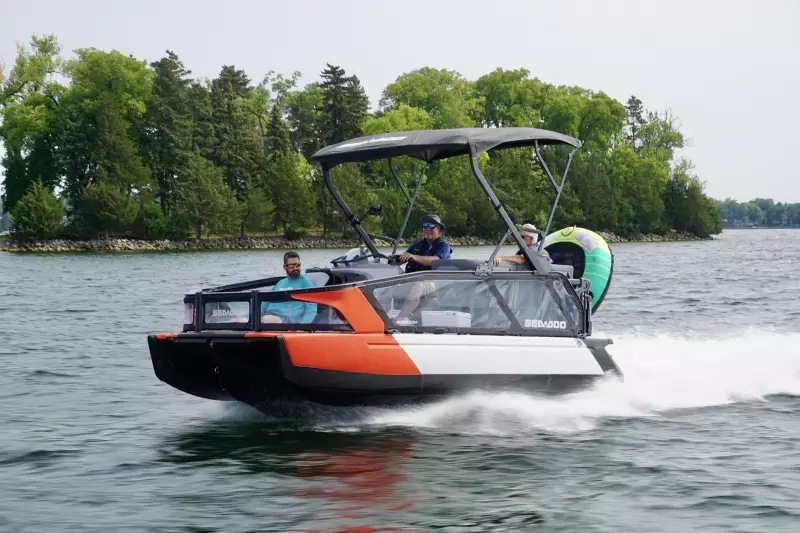
Transport Canada has taken the significant step of reposting a safety recall for a specific type of pontoon-style recreational boat. This action comes in direct response to serious incidents involving capsizing and tragic drownings, highlighting urgent safety concerns.
Investigation Launched Following Media Reports
The federal agency's scrutiny intensified following reports by CTV News that focused on a relatively new model known as the "Seadoo Switch." These reports prompted Transport Canada to launch a formal investigation into the vessel's safety profile. The investigation aims to determine the root causes of the stability issues that have led to dangerous situations on the water.
The recall notice, originally issued and now prominently reposted, underscores the gravity of the situation. It calls for immediate attention from owners of the affected pontoon boats. While specific details of the design flaws are under review, the core message from safety advocates is clear: modifications are necessary to prevent further tragedies.

Urgent Call for Design Changes
Critics and safety experts are pointing directly at the boat's design as the primary factor in the incidents. The statement, "They need to change the design of the boat," captures the consensus among those reviewing the cases. Pontoon boats are generally marketed as stable family vessels, making these failures particularly alarming for the recreational boating community.
Transport Canada's decision to reissue and amplify the recall signal is a move to ensure maximum public awareness. It is a directive for owners to stop using the boats and to contact manufacturers or dealers for corrective action, which may include repairs, modifications, or other remedies.
Broader Implications for Marine Safety
This case places a spotlight on the regulatory process for new marine vehicle designs entering the Canadian market. The incidents have sparked a broader conversation about the adequacy of pre-market stability testing for novel recreational watercraft. The drownings linked to these incidents represent the most severe possible outcome of a marine safety failure.
For current owners, the reposted recall serves as a critical safety alert. Transport Canada maintains an online database of recalls where consumers can verify if their vessel is affected. The agency emphasizes that complying with recall notices is not just a recommendation but a vital step in ensuring personal and passenger safety.
As the investigation continues, the boating public awaits further details on the specific corrective actions required and whether additional models will be included in the safety directive. This situation serves as a sobering reminder for all recreational boaters to verify the safety status of their equipment before heading out on the water.