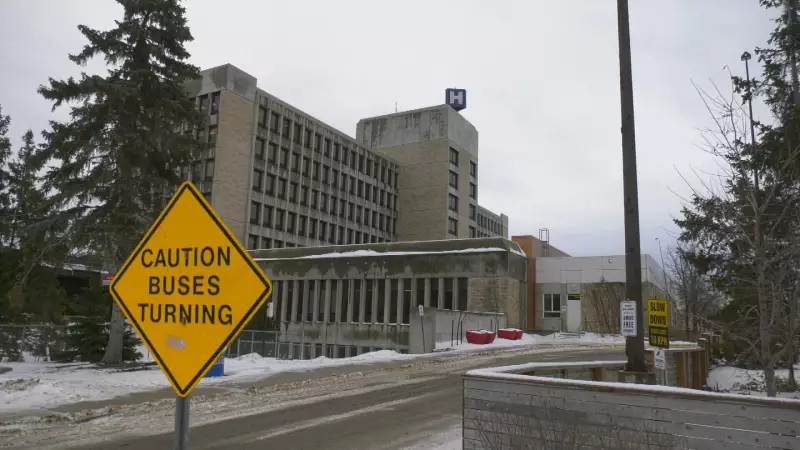
The relocation of a key bus stop serving Winnipeg's Victoria Hospital has ignited serious concerns over patient and staff safety. Community members and those who rely on public transit to access critical healthcare services describe the new location as problematic and potentially dangerous.
Accessibility Compromised for Vulnerable Patients
According to reports from the scene on December 16, 2025, the bus stop that was previously situated directly at the hospital's entrance has been moved to a different location. This change has created a new set of challenges for individuals with mobility issues, those recovering from surgery, or patients feeling unwell. The added distance and potential exposure to harsh winter conditions present a genuine hardship.
"It's difficult," was the sentiment echoed by many, highlighting the practical struggles now faced. For a major healthcare facility like Victoria Hospital, which serves a wide cross-section of the public, easy and safe access via public transit is not a convenience but a necessity.

Community and Commuter Reactions
The move has prompted a strong reaction from daily commuters, including hospital staff, visitors, and patients themselves. The safety of the new walking route, especially during early morning, late evening, or in inclement weather, is a primary worry. There are questions about whether proper risk assessments were conducted prior to the relocation, considering the specific needs of the hospital-going population.
This situation underscores a broader tension between urban planning and equitable access to essential services. When transit changes affect a hospital, the stakes are particularly high, as they directly impact public health and the ability of individuals to receive care.
Seeking Solutions for Safe Access
The controversy puts a spotlight on the need for collaborative solutions between transit authorities and healthcare institutions. Key considerations must include:
- Direct consultation with hospital administration and patient advocacy groups.
- Thorough safety audits of new routes, including lighting, sidewalk conditions, and crossing safety.
- Exploring mitigations such as covered walkways or shuttle services if a direct stop is not feasible.
As Winnipeg continues to grow and evolve, ensuring that its public infrastructure supports the most vulnerable citizens at their points of need remains a critical measure of the city's planning success. The concerns raised at Victoria Hospital serve as a reminder that transit decisions have real human consequences.