Rural Transit Buses Receive Millions More in Provincial Funding Despite Losses
In a significant move to support public transportation in underserved areas, the Ontario provincial government has allocated millions of dollars in additional funding to rural transit systems that are currently operating at a financial loss. This decision comes amid ongoing discussions about the sustainability of these services and the need for long-term solutions.
Current Financial Challenges
Many rural transit buses across Ontario are struggling with a cost recovery model that is not currently viable, leading to consistent financial deficits. Officials have acknowledged that these systems are essential for connecting communities but require substantial subsidies to remain operational. The new funding injection aims to bridge this gap while stakeholders explore more sustainable approaches.
Government and Local Response
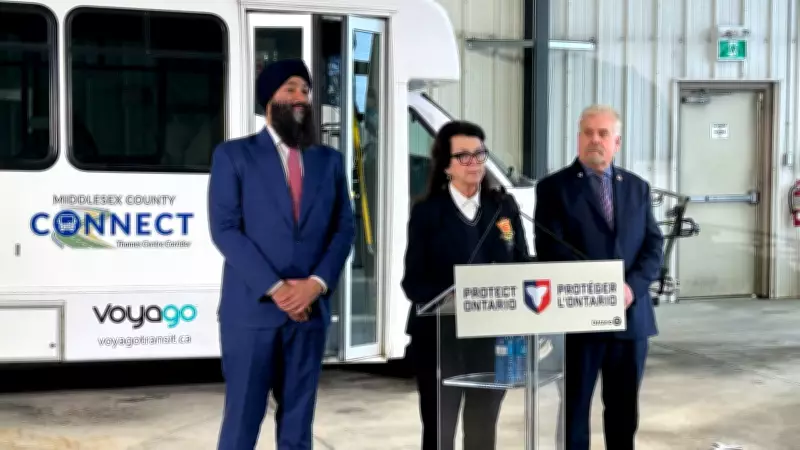
Ontario Transportation Minister Prabmeet Sarkaria, alongside Middlesex County Warden Susan Clarke and MPP Steve Pinsonneault, highlighted the importance of this funding during an announcement on April 1, 2026. They emphasized that while the immediate focus is on maintaining service levels, future strategies must address the underlying economic challenges. It's not a cost recovery model right now, noted one official, underscoring the temporary nature of the support.

The funding is expected to cover operational costs such as fuel, maintenance, and staffing, which have been exacerbated by rising expenses in recent years. Local authorities have expressed relief at the provincial assistance but caution that without structural changes, these systems may continue to rely heavily on government subsidies.
Broader Implications for Rural Communities
This development has sparked conversations about the role of public transit in rural Ontario, where populations are often dispersed and alternatives like private vehicles are less accessible. Advocates argue that reliable transit is crucial for:
- Accessing healthcare and education services
- Supporting local economies by enabling workforce mobility
- Reducing environmental impacts through decreased car usage
However, critics point to the need for innovative solutions, such as integrating technology or adjusting routes, to improve efficiency and reduce long-term dependency on public funds.
Looking Ahead
As the province moves forward, stakeholders plan to engage in further dialogue to develop a more sustainable framework for rural transit. This includes potential partnerships with private sectors, community-based initiatives, and policy reforms aimed at enhancing ridership and revenue streams. The additional millions serve as a stopgap measure, but the ultimate goal remains to establish a self-sustaining model that can thrive without perpetual subsidies.
In summary, while the immediate financial boost provides much-needed relief for money-losing rural transit buses, it also highlights the pressing need for comprehensive strategies to ensure their viability in the years to come.