Understanding Road Salt Effectiveness in Winter Conditions
As winter grips communities across Canada, the familiar sight of road salt spreading on icy surfaces raises important questions about its actual effectiveness and limitations. Contrary to popular belief, applying more salt does not necessarily translate to increased safety on roads and walkways.
The Science Behind Road Salt Functionality
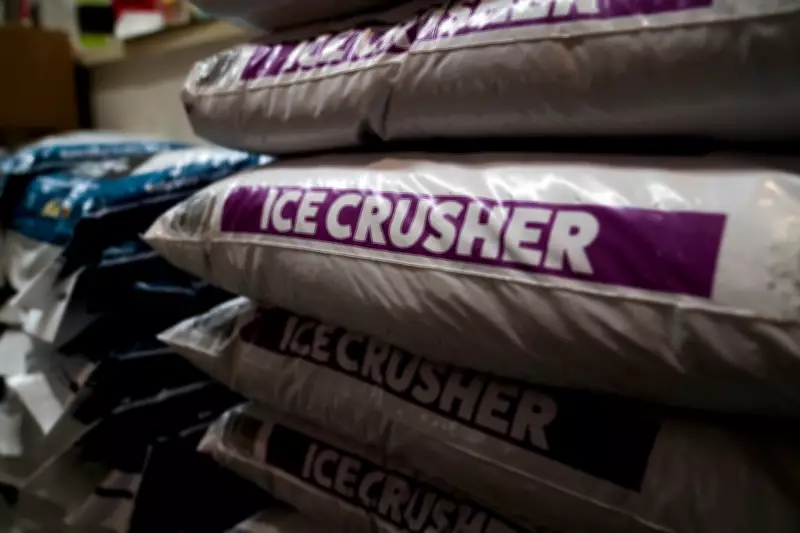
Road salt, particularly calcium chloride blends like Ice Crusher, works by lowering the freezing point of water through a process called freezing point depression. When salt dissolves in water, it creates a brine solution that remains liquid at temperatures where pure water would freeze. This chemical reaction helps break the bond between ice and pavement surfaces, making removal easier and preventing new ice formation.
However, this process has specific temperature thresholds where it becomes less effective. Traditional sodium chloride salt typically works down to approximately -9°C, while calcium chloride blends can remain effective at temperatures as low as -29°C. Beyond these temperature ranges, salt becomes significantly less effective at melting ice and snow.

When Road Salt Falls Short
Several factors can limit road salt effectiveness beyond just temperature extremes. Heavy snowfall can dilute salt concentrations, reducing its melting capability. Additionally, traffic volume plays a crucial role – high traffic areas benefit from salt's melting action as vehicles help work the salt into the ice, while low-traffic areas may see limited effectiveness.
Environmental conditions also impact salt performance. Wind can blow salt off target areas, and precipitation type matters significantly. Salt works best on wet ice where it can dissolve quickly, but on dry, compacted snow or black ice, its effectiveness diminishes considerably.
Environmental and Infrastructure Concerns
The widespread use of road salt presents significant environmental challenges that communities must balance against safety concerns. Salt runoff contaminates freshwater sources, damages vegetation along roadways, and accelerates corrosion of vehicles and infrastructure. Some municipalities are exploring alternative approaches including:
- Pre-wetting salt to improve adhesion and reduce bounce
- Using brine solutions for anti-icing before storms
- Implementing calibrated spreaders to apply precise amounts
- Exploring alternative de-icing materials like beet juice blends
Best Practices for Winter Safety
For optimal winter safety, experts recommend a strategic approach to salt application. Timing proves crucial – applying salt before precipitation begins creates a protective layer that prevents ice bonding to surfaces. Proper application rates matter significantly, with most experts recommending about 150 grams per square meter for effective coverage without excessive waste.
Understanding that salt works primarily through creating liquid brine helps explain why simply dumping more salt on already frozen surfaces often proves ineffective. The salt needs moisture to activate, which is why pre-wetting or applying during precipitation events typically yields better results.
As communities like Barrie navigate winter conditions, balanced approaches that consider both immediate safety needs and long-term environmental impacts are becoming increasingly important. The key takeaway remains clear: more salt doesn't automatically mean more safety, and understanding the specific conditions where salt proves effective can lead to better winter maintenance strategies across Canada.