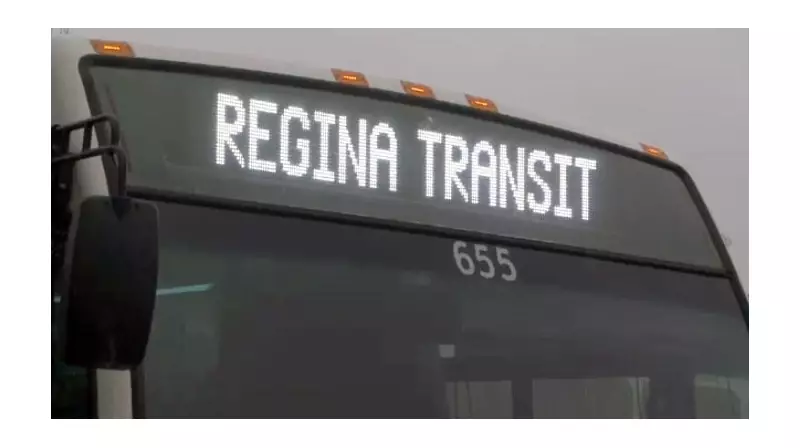
Commuters in Regina are set to receive a significant upgrade to their daily travel experience. The city has announced a new pilot program for Regina Transit that will provide riders with real-time information about bus locations and arrival times.
Modernizing Public Transit in the Queen City
The initiative represents a major step forward in modernizing the city's public transportation system. For years, riders have relied on static schedules, which can be unreliable due to traffic, weather, and other delays. This new technology aims to bridge that information gap, giving passengers the power to plan their journeys more accurately and reduce time spent waiting at stops.
The pilot program, announced on January 15, 2026, will leverage GPS and digital communication tools to transmit live data. This data will be accessible to the public through a dedicated mobile application and potentially digital displays at major transit hubs. The move aligns Regina with other major Canadian cities that have already implemented similar real-time tracking systems to improve customer satisfaction and increase ridership.

How the Real-Time System Will Work
While full technical details are still being finalized, the core of the program involves installing tracking devices on a select fleet of buses. These devices will continuously send location data to a central server. Riders will then be able to access this information on their smartphones, seeing a live map view of where their bus is and receiving a more precise estimated time of arrival.
The pilot phase is crucial for testing the technology's reliability in Regina's specific environment, including during harsh winter conditions. City officials and transit planners will monitor the system's performance, gather user feedback, and identify any technical issues before considering a full-scale rollout across the entire Regina Transit network.
Aiming for a More Efficient and User-Friendly Service
The introduction of real-time data is expected to have multiple positive effects. Primarily, it empowers riders with information, reducing uncertainty and stress. It can also help optimize bus operations by providing dispatchers with better tools to manage spacing and address delays proactively.
This investment in transit technology underscores a commitment to making public transportation a more attractive and viable option for Regina residents. Improved reliability and convenience are key factors in encouraging people to choose the bus over personal vehicles, which can contribute to reduced traffic congestion and lower carbon emissions in the long term.
The success of this pilot program will be closely watched, as it could set the standard for future technological investments in Saskatchewan's urban transit systems.