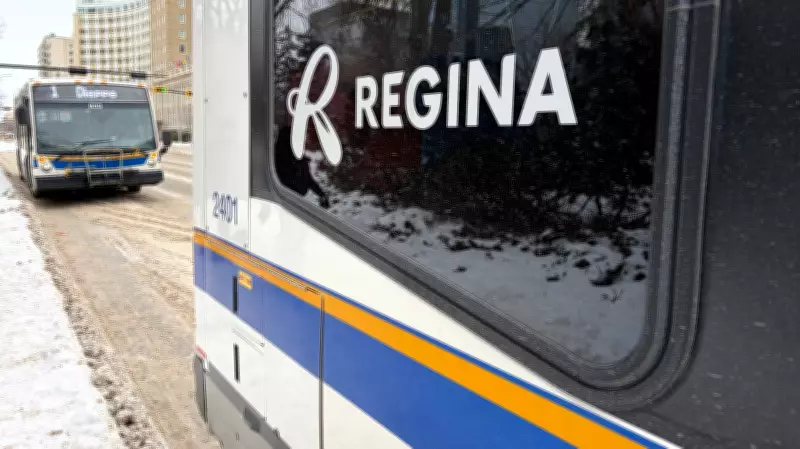
Regina Transit Fare Increase Takes Effect Today: Key Details for Riders
Regina Transit fares have officially increased as of today, marking a significant change for daily commuters and transit users across the city. This adjustment comes as part of broader municipal efforts to address operational costs and maintain service quality. The fare hike affects various ticket types and passes, with implications for students, seniors, and regular riders alike.
New Fare Structure and Pricing Details
The updated fare structure introduces higher prices across multiple categories. Single-ride fares have seen a modest increase, while monthly passes and bulk ticket options have also been adjusted upward. For example, adult single fares now cost slightly more, with similar rises applied to concession rates for eligible groups such as students and seniors. These changes aim to balance budget constraints with the need for reliable public transportation in Regina.
Impact on Daily Commuters: Regular users of Regina Transit should expect to pay more for their daily travels. The increase may prompt some riders to reconsider their transportation choices, potentially affecting ridership numbers in the coming months. However, transit officials emphasize that the additional revenue will be reinvested into service improvements, including enhanced route coverage and maintenance of existing infrastructure.

Reasons Behind the Fare Adjustment
Several factors have contributed to the decision to raise fares. Rising operational costs, including fuel prices and vehicle maintenance, have placed financial pressure on Regina Transit. Additionally, inflationary trends and increased demand for public transportation services have necessitated this adjustment to ensure sustainable operations. The city has conducted public consultations prior to implementing the change, gathering feedback from residents to inform the final pricing model.
Community Response: Initial reactions from the public have been mixed, with some expressing concern over the added financial burden, while others acknowledge the necessity of funding transit improvements. Advocacy groups have called for continued transparency regarding how the increased revenue will be allocated, urging the city to prioritize accessibility and affordability for all residents.
What Riders Need to Know
- Fare increases apply to all ticket types, including single rides, day passes, and monthly subscriptions.
- Concession rates for students, seniors, and low-income individuals have also been adjusted, though discounts remain in place.
- Riders are encouraged to plan ahead and consider purchasing passes in bulk to mitigate costs.
- Transit officials recommend checking the official Regina Transit website for the most up-to-date fare information and any potential service changes.
Looking ahead, Regina Transit plans to monitor the impact of the fare increase on ridership and community feedback. Future adjustments may be considered based on economic conditions and public input. For now, riders are advised to stay informed and adapt to the new pricing as they navigate the city's public transportation system.