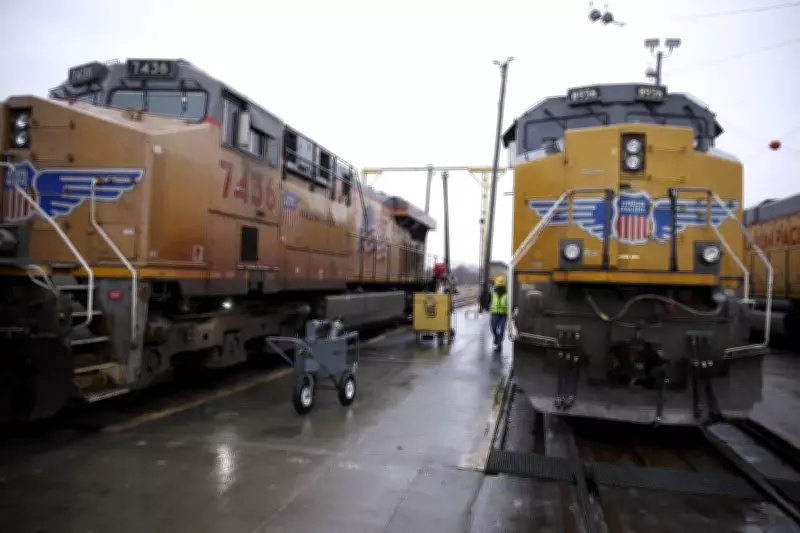
The North American railroad industry is bracing for a seismic shift as a proposed mega-merger between two major rail companies threatens to ignite a fierce battle among the sector's titans, potentially reshaping the competitive landscape for years to come. This consolidation move, announced in early 2026, is already drawing intense scrutiny from regulators, industry analysts, and competing firms who fear it could reduce competition and increase costs for shippers and consumers alike.
The Merger That Could Redraw the Map
While specific details of the merger remain confidential pending regulatory approval, sources indicate it involves two of the continent's largest freight railroads seeking to combine operations. Such a union would create a transportation behemoth with unprecedented control over key shipping corridors, particularly in the industrial heartlands and agricultural regions where rail transport is crucial for moving bulk commodities like grain, coal, and manufactured goods.
The proposed deal comes at a time when the railroad industry has been enjoying strong profitability thanks to efficiency improvements and increased demand for freight services. However, critics argue that further consolidation could undermine these gains by reducing competitive pressures that typically drive innovation and service improvements.

Regulatory Hurdles and Industry Backlash
Antitrust authorities in both Canada and the United States are expected to subject the merger proposal to rigorous examination, with particular focus on how it might affect shipping rates, service quality, and market access for smaller competitors. Historical precedent suggests such reviews can take months or even years, during which time the merging companies must maintain separate operations while defending their case to skeptical regulators.
"This isn't just about two companies joining forces," explained one industry analyst who requested anonymity. "It's about whether we want an increasingly concentrated rail industry where a handful of giants control most of the infrastructure. The last major rail merger in the 1990s led to service disruptions and rate increases that took years to stabilize."
The Ripple Effects Across the Economy
The potential consequences extend far beyond the rail industry itself. Manufacturers, farmers, and energy producers who rely on railroads to move their products to market are watching developments closely, concerned that reduced competition could translate to higher transportation costs that would ultimately be passed along to consumers.
Labor unions representing railroad workers have expressed mixed reactions, with some welcoming the potential for more stable employment in a consolidated company, while others worry about job losses resulting from operational redundancies. The merger could also impact port operations, trucking companies, and other transportation sectors that interface with rail networks.
A Historical Perspective on Rail Consolidation
This proposed merger represents the latest chapter in a century-long trend of railroad consolidation in North America. From hundreds of competing lines in the early 20th century, the industry has gradually consolidated into just a handful of major players controlling most of the continent's rail infrastructure.
Previous mergers have produced mixed results—while creating more efficient networks in some cases, they have also led to service disruptions, reduced competition in certain markets, and complicated regulatory oversight. The current proposal will likely face particular scrutiny given the increased attention on supply chain resilience following the disruptions of recent years.
As the battle lines form between proponents who argue consolidation creates efficiencies and opponents who warn of reduced competition, one thing is certain: the coming months will see intense lobbying, regulatory scrutiny, and industry maneuvering as the rail barons position themselves for what could be a transformative moment in North American transportation history.