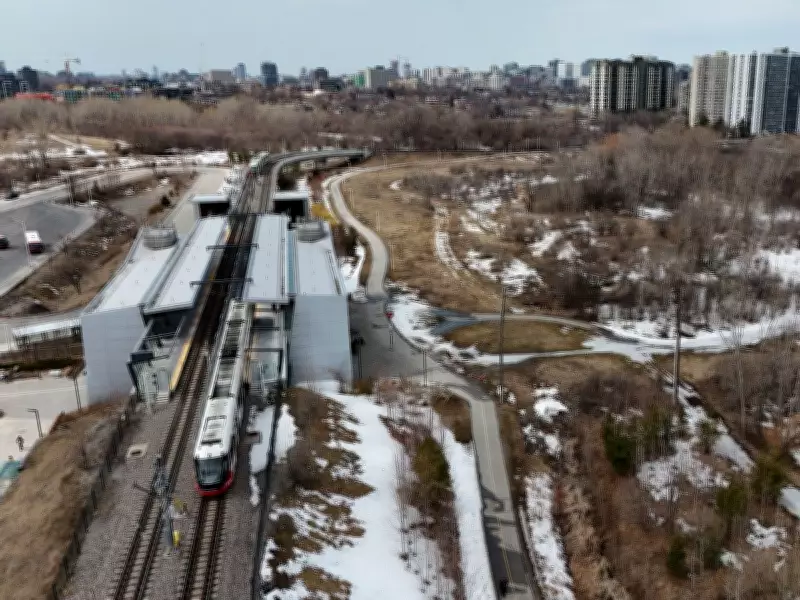
Potential LRT Shutdown Looms as Spalling Issues Persist in Ottawa
An extended shutdown of Ottawa's LRT Line 1 remains a distinct possibility according to transit union officials, as the city continues to struggle with persistent spalling problems that have severely impacted rail service for over two months. The situation has left the O-Train operating with just 21 cars on the east-west line, resulting in significantly longer wait times and dangerously crowded station platforms throughout the system.
Union Confirms Shutdown Contingency Plans
Noah Vineberg, president of the Amalgamated Transit Union Local 279, confirmed in a recent statement that while every effort is being made to avoid a complete shutdown, the option remains on the table. "The information I have is that, although a shutdown remains a possibility, every effort is being made to avoid it," Vineberg stated in an email communication. The union leader expressed concern about the lack of communication from newly appointed transit officials regarding the ongoing crisis.
Mayor Acknowledges Service Challenges
During a March 27 news conference introducing Rick Leary as the new general manager of transit services, Mayor Mark Sutcliffe acknowledged the severity of the situation. "We know we've had some challenges with the spalling issues on Line 1, and of course we have to have contingency plans in place," Sutcliffe told reporters. The mayor explained that if the city reaches a point where insufficient vehicles are available to maintain service, temporary replacement bus service might become necessary.

The technical problem involves cartridge bearing assemblies in train axles that have exceeded 100,000 kilometers of operation. First identified in January, this issue forced OC Transpo to remove 41 of 59 train cars from service for analysis and repairs. While three cars have since returned to operation, the system continues to function with less than half its normal fleet capacity.
New Transit Leadership Faces Immediate Crisis
Rick Leary assumes leadership of transit services during one of the most challenging periods in Ottawa's recent transit history. Mayor Sutcliffe emphasized that Leary's primary responsibility will be conducting a comprehensive assessment of the Line 1 situation and developing recommendations to restore full service. "The number one job for Rick as he takes on this role is to do a full assessment of the situation with Line 1 and make recommendations on the best way forward to restoring full service for our passengers," Sutcliffe stated.
Union president Vineberg expressed disappointment that transit leadership has not yet engaged with union representatives about the ongoing issues. "Unfortunately, after speaking to my fellow union presidents, we still have not been approached or contacted by newly appointed Mr. Leary," Vineberg noted. "It certainly would be appreciated to be kept informed as it directly impacts our passengers and our members."
Extended Service Disruption Impacts Commuters
The reduced fleet has created significant challenges for daily commuters, with longer intervals between trains and increased passenger density at stations throughout the system. The spalling problem specifically affects trains that have accumulated substantial mileage, creating a complex maintenance challenge that requires both immediate repairs and long-term solutions.
Transit officials continue to explore all available options while maintaining contingency plans for potential service interruptions. The situation remains fluid as engineers work to address the technical issues while transit leadership develops strategies to minimize disruption to Ottawa's commuting public during this extended service crisis.