Ottawa's Speed Camera Era Ends: What's Next for Road Safety?
The removal of speed cameras in Ottawa, including those in school zones, has led to a predictable increase in speeding violations. This development raises critical questions about how the city will finance safety measures that were previously funded by what Ontario Premier Doug Ford once labeled "cash-grab" speed cameras.
The Financial Impact of Speed Camera Removal
Speed cameras operated by U.S.-based Verra Mobility generated substantial revenue for Ottawa's safety initiatives. In 2024 alone, these devices brought in $24 million. The financial impact continued into 2025, with just 60 cameras collecting $20 million from January through August. This revenue was exclusively allocated to safety improvements across the city, primarily focusing on intersection enhancements, effectively paying for itself through violation fines.
Safety Statistics Before and After Camera Removal
Data reveals significant improvements in driver compliance during the speed camera program. Before camera installation, only 17 percent of drivers adhered to posted speed limits. After four years of automated enforcement, compliance soared to 87 percent, with particularly notable improvements in school zones. Additionally, what city officials term "high-end speeding" (exceeding limits by 15 km/h or more) dropped dramatically to just 0.3 percent.

This progress was abruptly halted when the provincial government ordered camera removal on November 13. To monitor the aftermath, the city deployed speed trackers at eight original pilot sites at no additional taxpayer cost, utilizing existing equipment.
Municipal Response and Alternative Measures
Ottawa Councillor Tim Tierney, chair of the city's public works and infrastructure committee, expressed frustration with the provincial decision. "The province gave us power which made school zones safer, saved road safety action, and now we're damned as the province takes that away," Tierney stated. He emphasized that the community now bears increased costs for policing and, ultimately, student safety.
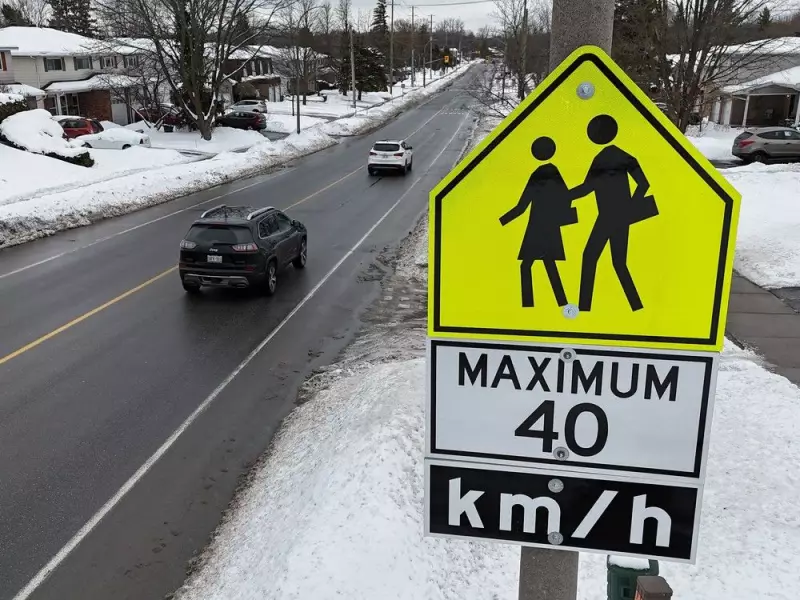
As temporary replacements, larger school zone signs have been installed in areas like Bearbrook Road north of Innes in Blackburn Hamlet. However, these wooden signs present their own challenges. They're susceptible to deterioration in Canadian weather conditions and must be positioned high enough to maintain visibility of children in school zones. Concrete bases are required to prevent them from toppling in strong winds, while the Ministry of Transportation continues refining the final bilingual design.
The Path Forward for Ottawa's Road Safety
The elimination of speed cameras has created a dual challenge for Ottawa: addressing increased speeding while developing sustainable funding alternatives for safety initiatives. As Councillor Tierney noted, the city must now "rebuild something that wasn't broken," navigating financial constraints while prioritizing community safety in school zones and beyond.