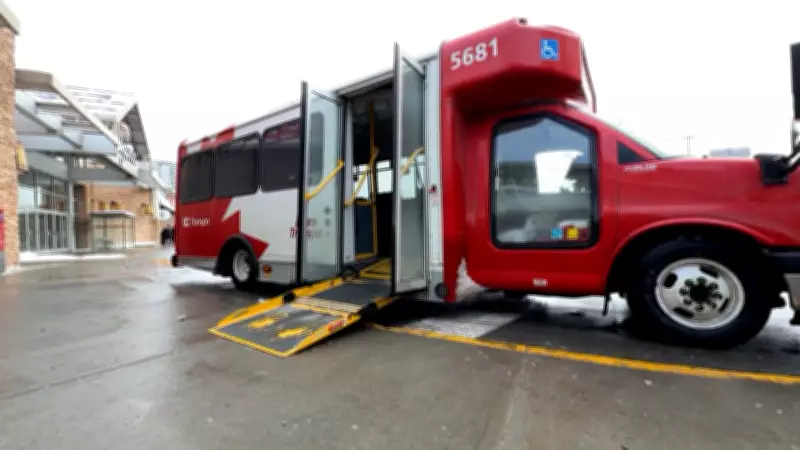
Ottawa's Para Transpo System Under Fire for Failing Commuters with Disabilities
Users of Ottawa's Para Transpo service are raising alarms about the system's inability to meet their daily transportation needs, describing it as the city's worst commute experience. According to recent reports, individuals who rely on this accessible transit option face significant challenges, including unreliable scheduling and extended wait times that disrupt their routines.
Persistent Issues Plague Accessible Transit
Para Transpo, designed to provide door-to-door service for residents with disabilities, has been criticized for not living up to its promises. Commuters highlight frequent delays, last-minute cancellations, and inadequate communication from service providers as major pain points. These shortcomings force many users to rearrange appointments, miss work, or forego social activities, impacting their quality of life and independence.
The system's inefficiencies are particularly troubling given Ottawa's harsh winters, when accessible transportation becomes even more critical for safety and mobility. Users report that Para Transpo often fails to accommodate weather-related adjustments, leaving them stranded in cold conditions.

Broader Implications for Urban Accessibility
This situation underscores a larger issue in urban planning: the need for robust, reliable accessible transit options. As cities like Ottawa grow, ensuring equitable transportation for all residents, including those with disabilities, is essential for fostering inclusive communities. The complaints about Para Transpo suggest a gap between policy intentions and on-the-ground implementation, calling for urgent reviews and improvements.
Without swift action, these transit failures could exacerbate social isolation and economic disadvantages for Para Transpo users, who already face barriers in accessing employment, healthcare, and recreational opportunities.
Calls for Systemic Reform
Advocates and users are urging municipal authorities to invest in upgrading Para Transpo's infrastructure and operations. Suggested measures include:
- Increasing the fleet size to reduce wait times
- Enhancing driver training for better service delivery
- Implementing real-time tracking systems for improved transparency
- Boosting funding to address maintenance and staffing shortages
As Ottawa continues to evolve, addressing these transit shortcomings will be crucial in building a city that truly serves all its residents, ensuring no one is left behind due to inadequate transportation options.