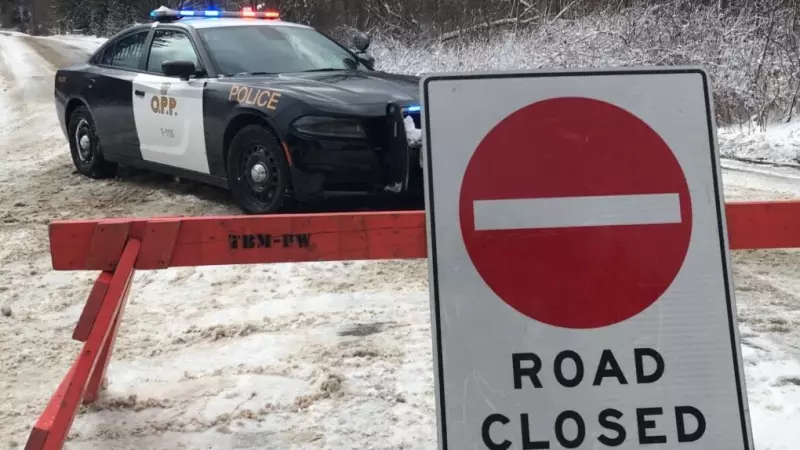
OPP Cracks Down on Dangerous Winter Driving on Closed Northern Ontario Roads
The Ontario Provincial Police (OPP) are actively enforcing road safety regulations during the harsh winter season by charging drivers who ignore closure signs on Northern Ontario highways. This enforcement action comes as authorities aim to prevent accidents and ensure public safety amid challenging weather conditions.
Increased Enforcement During Extreme Weather
With temperatures plummeting across the region, creating hazardous driving environments, the OPP has reported multiple incidents where motorists have attempted to travel on roads officially closed due to snow, ice, or poor visibility. Police emphasize that these closures are implemented for critical safety reasons, and violating them not only endangers the driver but also puts emergency responders at risk.
Charges can include fines and demerit points under the Highway Traffic Act, with penalties varying based on the severity of the offense and local conditions. The OPP notes that in some cases, drivers have required rescue after becoming stranded, diverting valuable resources from other emergencies.

Safety Concerns and Public Awareness
Authorities are urging residents and travelers to check road status updates through official channels like the Ministry of Transportation's website or local news outlets before embarking on journeys. "Driving on a closed road is not just illegal—it's incredibly dangerous," stated an OPP spokesperson. "Winter conditions can change rapidly, and closed roads often have unseen hazards like deep snow, fallen trees, or unstable surfaces."
This enforcement push aligns with broader winter safety campaigns across Ontario, which highlight risks such as frostbite and vehicle breakdowns in extreme cold. The OPP advises drivers to:
- Always obey road closure signs and barriers.
- Prepare vehicles with winter tires, emergency kits, and full fuel tanks.
- Monitor weather forecasts and adjust travel plans accordingly.
- Carry a charged mobile phone and inform others of travel routes.
Regional Impact and Community Response
In Northern Ontario, where communities are spread across vast distances and winter storms are frequent, road closures can significantly impact daily life. However, local officials support the OPP's measures, noting that preventable incidents strain limited emergency services. Recent community rallies, such as those in Kapuskasing demanding improved highway safety, underscore public concern over winter travel risks.
As climate change influences winter weather patterns, with phenomena like "exploding trees" and temperature swings, adapting to seasonal challenges remains a priority. The OPP's actions serve as a reminder that safety protocols are in place to protect all road users during Canada's coldest months.