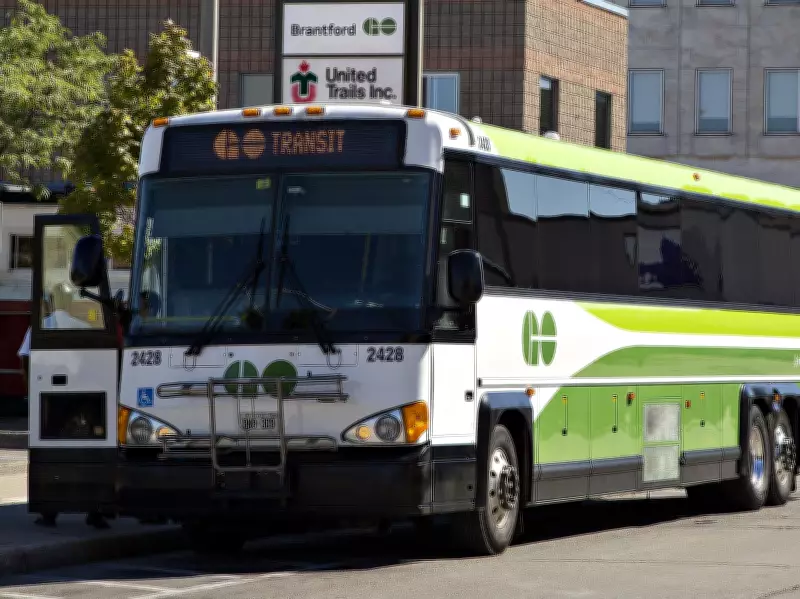
Ontario Government Proposes Significant Hike in GO Transit Fare Evasion Fines
The Ontario government is taking a firm stance against fare evasion on GO Transit by proposing substantial increases in penalties for offenders. Under new legislation introduced at Queen's Park, first-time fare evaders could face fines of up to $200, a significant jump from the current $35 penalty.
Details of the Proposed Fine Increases
The proposed changes would see first-time offenders facing fines of up to $200, while subsequent violations could result in penalties as high as $500. This represents a dramatic escalation from the current maximum penalty of $200 for all offences. According to provincial estimates, approximately 5% of GO Transit riders currently skip fares, costing the province around $21 million annually in lost revenue.
Transportation Minister Prabmeet Sarkaria emphasized the importance of these measures during a news conference, stating that the goal is to create a fairer system while maintaining transit affordability for legitimate users.

Comprehensive Transit Improvements Package
The fare evasion crackdown is part of the broader Building Homes and Improving Transportation Infrastructure Act, wide-ranging legislation introduced on Monday that encompasses multiple transit improvements across the province. One of the key components is the expansion of the One Fare program, which currently allows riders to transfer between different municipal transit agencies within the Greater Toronto and Hamilton Area without additional charges.
The enhanced program, dubbed One Fare 2.0, would require transit agencies to adopt unified fare structures and include Hamilton and Halton transit systems. Since its introduction in 2024, the One Fare program has reportedly saved Ontarians over $230 million.
Additional Proposed Transit Changes
The legislation includes several other significant transit improvements:
- Harmonization of GO station designs across the network
- A new rideshare regulatory framework for communities along the Northlander train corridor
- Expansion of high-occupancy vehicle lane access to all travellers during off-peak hours
- Improved coordination between municipal and regional transit agencies
Minister Sarkaria stressed that the province will consult with municipalities throughout the implementation process, addressing concerns about fares, timing, service levels, and network coordination. The principle is to drive more ridership and create a seamless transit system that works collaboratively with all regional transit agencies, he explained.
Broader Context and Implementation
The proposed changes come as part of Ontario's ongoing efforts to improve transportation infrastructure while addressing revenue losses from fare evasion. The government estimates that the combination of steeper penalties and expanded fare integration will encourage greater transit usage while ensuring that all riders contribute fairly to the system's maintenance and operation.
As the legislation moves through the parliamentary process, stakeholders including municipal transit agencies, commuter advocacy groups, and the general public will have opportunities to provide input on the proposed changes. The government has committed to working collaboratively with all partners to implement a transit system that is both efficient and equitable for all Ontarians.