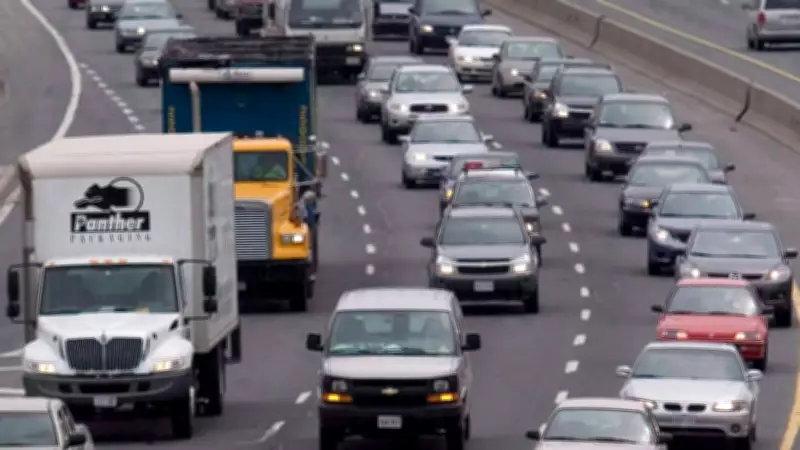
Ontario Government Proposes HOV Lane Access for Solo Drivers During Off-Peak Periods
The provincial government of Ontario is actively considering a significant shift in its transportation policy that could soon allow lone drivers to utilize high-occupancy vehicle (HOV) lanes during designated off-peak hours. This potential regulatory change aims to enhance overall road efficiency and alleviate traffic congestion by making better use of existing infrastructure when demand is lower.
Rationale Behind the Proposed Policy Adjustment
Currently, HOV lanes across Ontario are restricted to vehicles carrying multiple passengers, typically two or more individuals, as well as certain exempt vehicles like public transit and emergency services. The proposed amendment would permit single-occupant vehicles to enter these lanes during specific times outside of traditional rush hours, such as late mornings, early afternoons, and evenings when traffic volumes are substantially reduced.
Proponents of the change argue that this approach could optimize lane usage, reduce idle time for solo commuters, and potentially decrease overall emissions by smoothing traffic flow. The initiative reflects a growing trend toward more flexible and data-driven transportation management strategies that respond to varying traffic patterns throughout the day.

Potential Impacts and Implementation Considerations
If implemented, the policy would require clear signage and public awareness campaigns to inform drivers of the specific off-peak hours when HOV lane restrictions are lifted for solo operators. Transportation officials emphasize that the primary goal is to maintain the lanes' effectiveness during peak congestion periods while providing additional capacity when it is underutilized.
Key considerations include monitoring traffic speeds, safety metrics, and the potential effect on carpooling incentives. Critics have expressed concerns that easing restrictions might discourage carpooling, but advocates counter that the off-peak focus minimizes this risk since high-occupancy vehicles would still retain exclusive access during the busiest times.
The proposal is part of broader efforts to modernize Ontario's transportation network, leveraging technology and real-time data to improve commuter experiences. Further details, including exact timeframes and enforcement mechanisms, are expected to be released following additional analysis and stakeholder consultations.