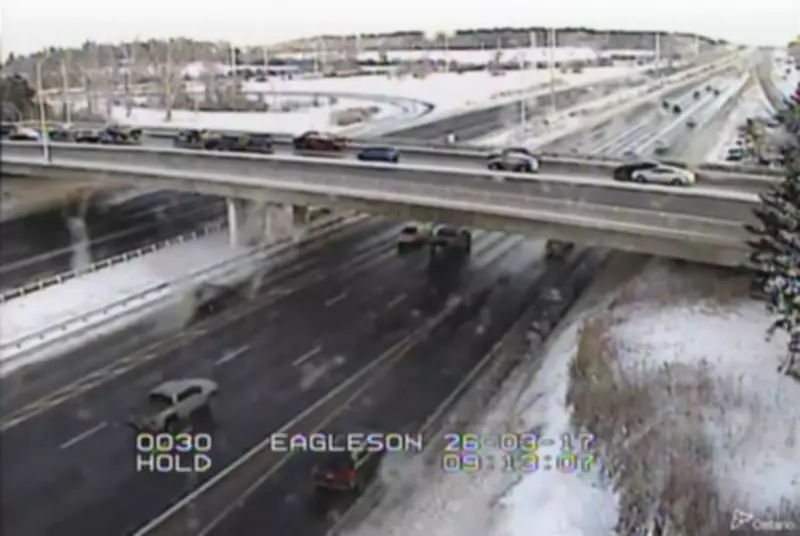
Ontario Considers Expanding HOV Lane Access on Highway 417
The Ontario government is exploring a significant shift in its high-occupancy vehicle (HOV) lane policy. A new proposal would allow solo drivers to utilize the HOV lanes on Highway 417 during designated off-peak hours. This initiative aims to optimize the existing roadway infrastructure and potentially alleviate traffic congestion during periods of lower demand.
Details of the Proposed Pilot Program
The plan, currently under review by the Ministry of Transportation, focuses on Highway 417, a major east-west corridor through Ottawa. The core idea is to permit vehicles with only a driver—no passengers—to enter the HOV lanes during specific times outside of traditional rush hours. These off-peak windows are typically late morning, mid-afternoon, and evening periods when traffic volumes are substantially lower.
This represents a notable departure from the standard HOV lane rules, which generally require two or more occupants per vehicle to promote carpooling and reduce emissions during peak travel times. The proposal does not affect these peak-hour restrictions, which would remain firmly in place to encourage shared commuting.

Potential Benefits and Rationale
Proponents of the change argue it could lead to several advantages:
- Improved Traffic Flow: By allowing more vehicles to use the underutilized lanes during off-peak times, overall traffic movement could become more efficient.
- Better Infrastructure Use: The HOV lanes, which often see sparse usage outside of rush hour, would be more fully utilized, maximizing the return on the public investment in these dedicated lanes.
- Reduced Driver Frustration: Solo drivers, who currently must stay in general lanes even when HOV lanes are empty, may experience less congestion during their off-peak travels.
The ministry is likely to implement this as a pilot program, allowing for careful study of its impacts on traffic patterns, safety, and whether it inadvertently discourages carpooling during non-peak times. Data collected would inform any decision to make the change permanent or expand it to other highways in the province.
Context and Implementation
This proposal emerges as governments seek innovative, data-driven solutions to manage urban mobility without always resorting to costly new construction. It reflects a nuanced approach to transportation policy, balancing the original environmental and congestion-reduction goals of HOV lanes with practical efficiency during low-traffic periods.
If approved, the program would require clear public communication. New signage and potential digital alerts would be essential to inform drivers of the specific off-peak hours when solo access is permitted, ensuring compliance and safety. The Ministry of Transportation has not yet announced a timeline for a decision or potential implementation date for this pilot initiative.