OC Transpo and Mayor Weigh O-Train Line 1 Shutdown Amid Persistent Spalling Concerns
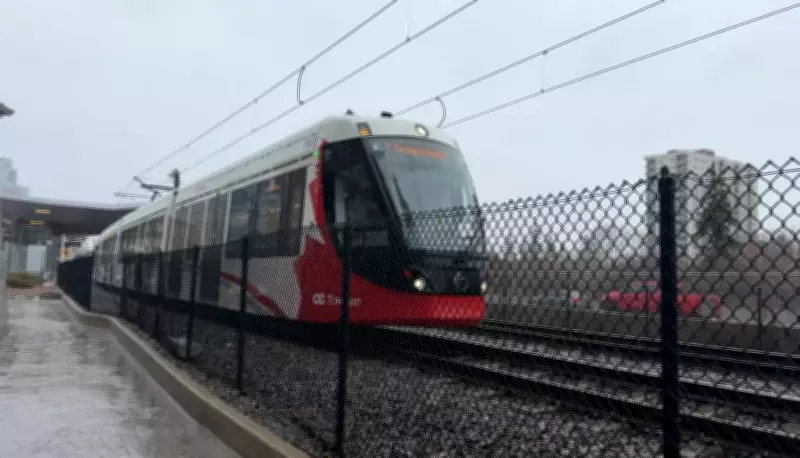
In a significant development for Ottawa's public transit system, OC Transpo and the city's mayor have declined to rule out the possibility of a shutdown for O-Train Line 1. This consideration comes as spalling issues continue to affect the vehicles, posing potential risks to service reliability and passenger safety. The ongoing problem has sparked discussions about the long-term maintenance and operational strategies for the light rail network.
Understanding the Spalling Issue
Spalling refers to the flaking or breaking off of concrete or other materials from the surface of structures, which in this case, impacts the O-Train vehicles. This degradation can lead to mechanical failures and increased maintenance needs, complicating daily operations. The issue has been under scrutiny for some time, with recent reports highlighting its persistence despite previous repair efforts.
Officials have emphasized that while no final decision has been made, a temporary shutdown of Line 1 is being evaluated as a precautionary measure. This would allow for comprehensive inspections and necessary repairs to address the spalling, ensuring the system meets safety standards. The potential disruption could affect thousands of daily commuters, underscoring the urgency of resolving the matter.

Impact on Transit Operations and Public Response
The consideration of a shutdown reflects broader challenges in maintaining aging transit infrastructure in urban centers. OC Transpo has faced criticism in the past for service interruptions, and this latest issue adds to the pressure on transit authorities to deliver consistent and safe transportation options. Public feedback has been mixed, with some residents expressing concern over potential delays, while others support proactive measures to prevent accidents.
In response, the mayor's office has stated that all options are on the table, including accelerated repair schedules and alternative transit arrangements during any shutdown. The goal is to minimize inconvenience while prioritizing passenger safety. This situation also raises questions about funding and investment in transit upgrades, as cities grapple with balancing operational costs and infrastructure renewal.
Looking Ahead: Solutions and Preventative Measures
As discussions continue, transit officials are exploring both short-term fixes and long-term solutions to the spalling problem. This may involve collaborating with manufacturers to design more durable vehicle components or implementing regular monitoring systems to detect issues early. The outcome of these deliberations could set a precedent for how similar challenges are handled in other Canadian cities.
Ultimately, the decision on whether to shut down O-Train Line 1 will depend on further assessments of the spalling's severity and the feasibility of repairs without major service interruptions. Stakeholders, including commuters and local businesses, are urged to stay informed as updates become available. This incident highlights the critical need for robust transit maintenance protocols to ensure reliable urban mobility.