O-Train Line 1 Experiences Multiple Service Disruptions Near Lees Station
Ottawa's light rail transit system faced a series of operational challenges in March 2026, with O-Train Line 1 encountering eight distinct issues in the vicinity of Lees Station. These repeated incidents have raised concerns about the reliability and maintenance of the city's public transportation infrastructure.
Damaged Overhead Wires Cause Significant Delays
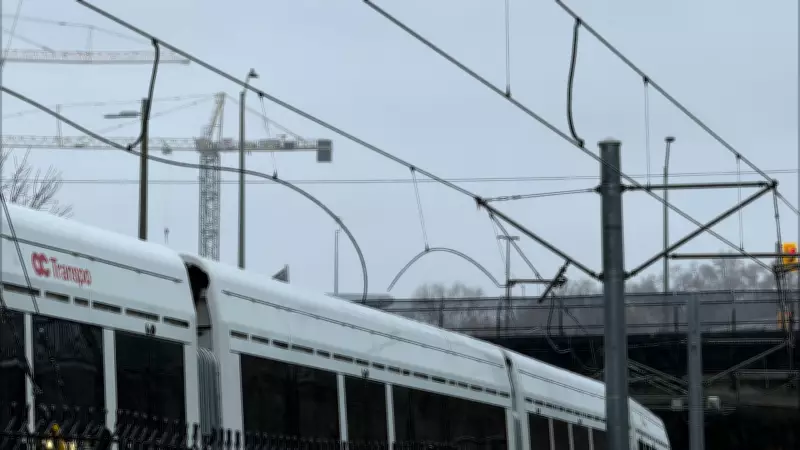
On March 11, 2026, damaged overhead wires were observed above a stopped train on O-Train Line 1 near Lees Station. Photographic evidence captured by Leah Larocque of CTV News Ottawa shows the compromised electrical infrastructure that led to service interruptions. The damaged wires represent a critical failure point in the system's power delivery mechanism, directly impacting train operations.
The eight separate incidents around Lees Station occurred within a concentrated timeframe, suggesting either a recurring problem with specific infrastructure components or environmental factors affecting that particular section of the line. Transportation officials have not yet released detailed information about the root causes of each incident, but the pattern indicates systemic issues requiring attention.

Impact on Commuters and System Reliability
These repeated disruptions have created significant inconvenience for daily commuters who rely on O-Train Line 1 for transportation across Ottawa. The Lees Station area serves as an important transit point connecting various neighborhoods, making these service interruptions particularly disruptive to the city's mobility patterns.
The frequency of these incidents raises questions about preventive maintenance schedules and response protocols for addressing infrastructure failures. With eight separate issues occurring in close succession, transit authorities face mounting pressure to implement more robust monitoring and repair strategies to prevent future occurrences.
Broader Context of Transportation Challenges
These O-Train disruptions occur against a backdrop of various transportation issues across Canada, including:
- Road infrastructure concerns like potholes in Toronto
- Safety issues at highway exits in southwestern regions
- Vehicle recalls affecting thousands of Canadian drivers
- Weather-related transportation challenges in multiple provinces
The concentration of problems at Lees Station suggests this location may have unique vulnerabilities requiring specialized attention from transit engineers and maintenance crews. As cities increasingly rely on public transportation to reduce congestion and environmental impact, the reliability of systems like O-Train Line 1 becomes increasingly critical to urban functionality.
Looking Forward: Solutions and Preventative Measures
Transportation experts emphasize that repeated infrastructure failures typically indicate either aging components, design flaws, or environmental stressors exceeding system specifications. The eight incidents at Lees Station will likely prompt a comprehensive review of:
- Overhead wire installation and maintenance procedures
- Environmental factors affecting that specific section of track
- Response protocols for minimizing service disruption duration
- Long-term infrastructure upgrade planning
As Ottawa continues to develop its public transportation network, addressing these recurring issues at Lees Station will be essential for maintaining public confidence in the system. The March 2026 incidents serve as a reminder that even modern transit systems require vigilant maintenance and occasional infrastructure upgrades to ensure reliable service for all users.