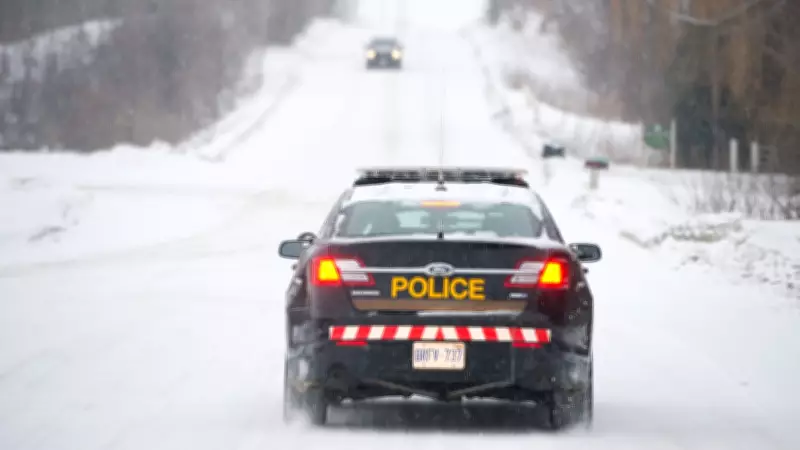
Major Northern Ontario Highways Reopen Following Separate Transport Truck Crashes
Key transportation corridors in northern Ontario have resumed normal operations after being closed due to separate transport truck crashes. The incidents, which occurred on different highways, caused significant disruptions to commercial and passenger traffic throughout the region.
Incident Details and Response
The Ontario Provincial Police responded to multiple commercial vehicle incidents across northern Ontario's highway network. While specific locations and timing details weren't provided in the initial report, such closures typically affect major routes like Highway 11, Highway 17, and other critical transportation arteries that connect remote communities to southern markets.
Emergency crews worked diligently to clear the scenes, assess damage to infrastructure, and ensure safe conditions before reopening the affected roadways. The separate nature of these incidents suggests they weren't related but rather reflect the challenging winter driving conditions that frequently affect northern Ontario during February.

Winter Driving Challenges in Northern Regions
Northern Ontario highways are particularly vulnerable to winter weather incidents due to several factors:
- Extended periods of extreme cold temperatures
- Frequent snow accumulation and blowing snow conditions
- Limited visibility during winter storms
- Ice formation on road surfaces despite regular maintenance
Transport truck operations face additional challenges in these conditions, including longer stopping distances, potential for jackknifing on icy surfaces, and the physical effects of extreme cold on vehicle systems. The region's reliance on commercial trucking for essential goods makes highway safety a critical concern for both economic and community wellbeing.
Safety Recommendations for Commercial Operators
The Ontario Provincial Police regularly emphasize several safety measures for commercial vehicle operators during winter months:
- Conduct thorough pre-trip inspections focusing on tires, brakes, and lighting systems
- Reduce speeds appropriately for current road and weather conditions
- Increase following distances significantly on snow-covered or icy roads
- Monitor weather forecasts and road condition reports throughout journeys
- Carry appropriate emergency supplies including extra clothing, food, and communication devices
These incidents serve as a reminder that winter driving preparedness remains essential for all motorists, but particularly for commercial operators whose vehicles have greater mass and different handling characteristics in adverse conditions.
Economic and Community Impacts
Highway closures in northern Ontario create ripple effects beyond immediate traffic delays. Remote communities that depend on regular truck deliveries for essential supplies can experience shortages when major routes are blocked. The region's mining, forestry, and tourism sectors all rely on consistent highway access for their operations and supply chains.
While the specific duration of these closures wasn't detailed, even temporary highway blockages can disrupt scheduled deliveries, increase transportation costs, and affect time-sensitive shipments. The reopening of these routes allows normal economic activity to resume and reconnects communities that depend on these vital transportation links.
The incidents underscore the ongoing need for investment in northern transportation infrastructure and winter maintenance programs to enhance safety and reliability throughout the challenging winter season.