New Jersey Transit Expands Clean-Diesel Bus Fleet with Major New Flyer Order
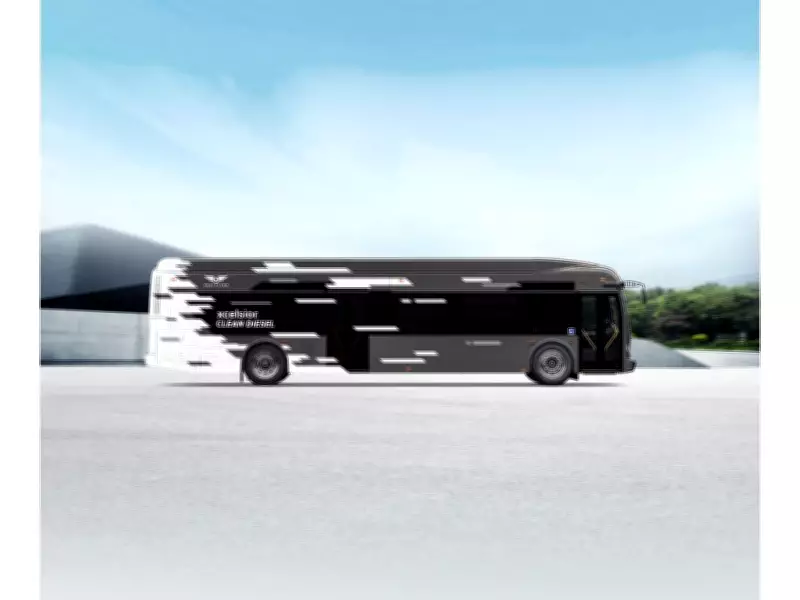
New Jersey Transit Corporation (NJ TRANSIT) has significantly advanced its fleet modernization efforts with a substantial new order for clean-diesel buses from Canadian manufacturer New Flyer. The transit authority has placed an order for 375 additional Xcelsior® 40-foot clean-diesel transit buses, marking a crucial step in their comprehensive vehicle replacement strategy.
Contract Details and Fleet Expansion Timeline
The newly announced order represents part of a larger, multi-phase fleet replacement program that was initially established in the first quarter of 2024. According to the contract details, the original agreement included a base order of 550 Xcelsior 40-foot clean-diesel transit buses to be delivered in three distinct lots. This latest procurement brings the total base order fulfillment to the complete 550 buses, leaving all 750 option buses available for future consideration and potential additional orders.
The orders for these additional vehicles were placed during the third and fourth quarters of 2025, demonstrating NJ TRANSIT's ongoing commitment to systematic fleet renewal. This strategic approach allows the transit authority to maintain service continuity while gradually replacing aging vehicles with modern, efficient alternatives.

Leadership Perspectives on the Strategic Partnership
Chris Stoddart, President of North American Bus and Coach at NFI Group Inc., emphasized the value proposition of the Xcelsior buses included in this contract. "The Xcelsior buses deliver dependable, cost-effective performance while improving safety and accessibility for passengers," Stoddart stated. "Built for durability and long service life, these new buses will help NJ TRANSIT continue providing the reliable, essential transportation services that keep communities and economies moving every day."
NJ TRANSIT President & CEO Kris Kolluri highlighted the broader implications of this fleet modernization effort. "This additional order underscores NJ TRANSIT's unwavering commitment to our customers and to delivering the safe, reliable service they depend on every day," Kolluri explained. "Modernizing our bus fleet is a critical investment in our riders, our employees, and the communities we serve."
Broader Impacts and Strategic Objectives
The fleet replacement program extends beyond simply updating vehicles. According to transit officials, building and deploying these replacement buses strengthens domestic manufacturing capabilities, secures quality local employment opportunities, and ensures taxpayers receive maximum utility from their investment in public transportation infrastructure.
NJ TRANSIT serves as a fundamental component of New Jersey's transportation network, operating as the nation's largest statewide transit system. The authority handles hundreds of thousands of daily trips across its extensive network of bus, rail, and light rail services. Over recent years, buses have constituted a substantial portion of this ridership, helping millions of New Jersey residents access employment, education, and essential services throughout the state.
Future Fleet Modernization Goals
This latest order moves NJ TRANSIT closer to its ambitious goal of achieving a fully modernized bus fleet by 2031. The comprehensive modernization strategy aims to improve multiple aspects of the transit experience, including:
- Enhanced reliability and reduced maintenance requirements
- Improved accessibility features for all passengers
- Increased passenger comfort and satisfaction
- Continued ability to meet the transportation needs of hundreds of thousands of daily trips
The award reinforces New Flyer's position as a reliable, long-term partner to public transit systems across North America. The company provides proven bus solutions that maintain community connectivity, support American manufacturing initiatives, and deliver consistent performance regardless of propulsion type or route demands.