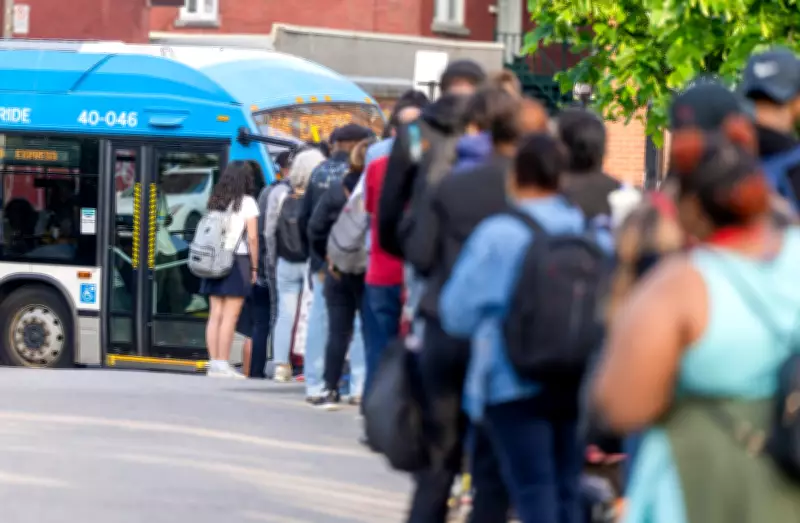
Montreal's mayor has publicly declared being "fed up" with the persistent lack of adequate funding for the city's public transit system, underscoring a growing crisis in urban mobility. This frustration comes amid increasing demands on the Société de transport de Montréal (STM) to maintain and expand services for a growing population of commuters.
Growing Discontent Over Transit Resources
The mayor's comments reflect deep-seated concerns about the sustainability of Montreal's public transportation network. With ridership numbers rebounding post-pandemic and infrastructure aging, the need for robust financial support has never been more critical. The mayor emphasized that without proper investment, service reliability and expansion projects could face significant delays or cancellations.
Impact on Daily Commuters
Public transit users in Montreal have long experienced challenges, including overcrowded buses and metro cars, inconsistent schedules, and limited accessibility in some neighborhoods. The funding shortfall exacerbates these issues, potentially leading to longer wait times and reduced service quality. For many residents, public transit is not just a convenience but a necessity for accessing work, education, and essential services.

Broader Implications for Urban Development
Inadequate transit funding also hampers Montreal's efforts to promote sustainable urban growth. Efficient public transportation is key to reducing traffic congestion, lowering carbon emissions, and supporting economic development. The mayor warned that neglecting this sector could undermine the city's environmental goals and quality of life for its inhabitants.
As discussions continue, stakeholders are calling for collaborative solutions involving municipal, provincial, and federal governments to address the funding gap. The mayor's outspoken stance aims to galvanize action and secure the resources needed to keep Montreal moving forward.