Arctic Blast Disrupts Canadian Air Travel, Causing Widespread Delays and Cancellations
An intense cold snap gripping much of Canada is creating major headaches for travellers, with airports across the country reporting significant disruptions. The frigid temperatures, which have plunged well below seasonal norms, are impacting ground operations, aircraft performance, and crew safety, leading to a cascade of delays and cancellations.
Operational Challenges in Extreme Conditions
The extreme cold presents numerous logistical hurdles for airlines and airport authorities. De-icing procedures become more time-consuming and complex, as fluids must work effectively in sub-zero temperatures. Ground equipment, from baggage loaders to fuel trucks, can malfunction or operate slower in the bitter cold, creating bottlenecks on the tarmac. Furthermore, aircraft themselves face performance issues, as jet engines and various systems are stressed by the severe conditions, sometimes requiring additional maintenance checks before departure.
Passenger Impact and Safety Protocols
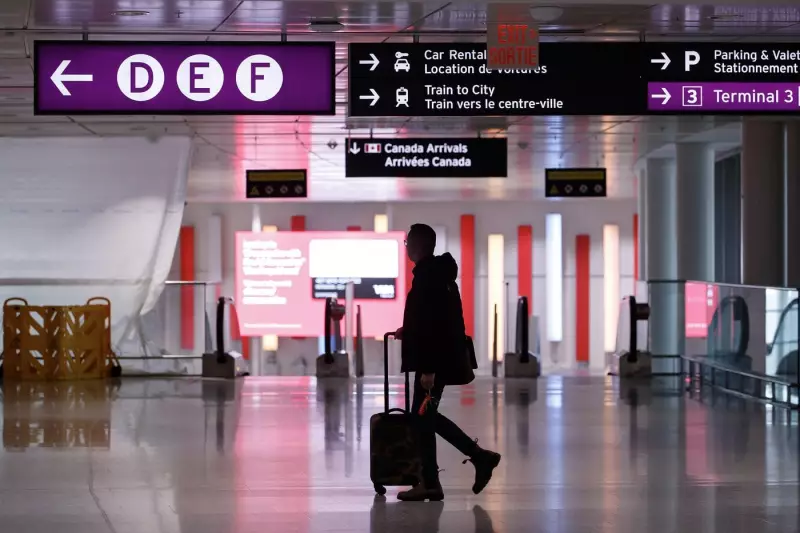
Travellers are advised to check their flight status frequently and prepare for potential schedule changes. Airlines are prioritizing safety, which can mean preemptive cancellations to avoid stranding passengers or crews in unsafe conditions. The cold also poses direct risks to personnel working outdoors, necessitating shorter shifts and additional breaks, which further slows turnaround times. Passengers at hubs like Toronto's Pearson International Airport and others in affected regions are experiencing extended wait times and uncertainty.

Broader Weather Context and Regional Effects
This travel disruption coincides with a broader severe weather pattern affecting North America. Environment Canada has issued extreme cold warnings for several provinces, with wind chills making it feel like -30°C or colder in some areas. These conditions are not isolated to aviation; they are part of a system causing power outages, cancelled outdoor events, and heightened public health warnings about frostbite and hypothermia. The interconnected nature of air travel means delays in one region can have a ripple effect, disrupting schedules across the country and into international networks.
While airlines and airports have contingency plans for winter weather, the intensity and duration of this cold wave are testing their resilience. Travellers are encouraged to pack patience, along with warm clothing, as operations slowly work to return to normal once temperatures moderate.