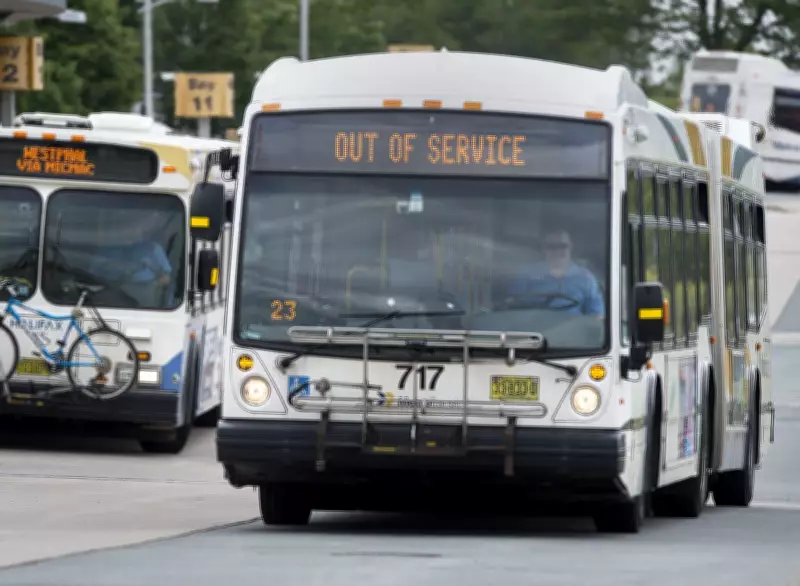
Halifax's Proposed Transit Plan: Five Key Elements for Future Mobility
Halifax is poised for a significant transformation in its public transportation system with a newly proposed transit plan. As the city continues to grow and evolve, municipal officials have unveiled a comprehensive strategy aimed at improving connectivity, efficiency, and accessibility for all residents. This plan represents a forward-looking approach to urban mobility, addressing current challenges while preparing for future demands.
1. Enhanced Network Connectivity and Expanded Routes
The proposed plan emphasizes the creation of a more interconnected transit network across Halifax and surrounding areas like Dartmouth. Key components include the introduction of new bus routes and the optimization of existing ones to reduce wait times and improve coverage. This expansion aims to better serve suburban communities and major employment hubs, making public transportation a more viable option for daily commuters and reducing reliance on private vehicles.
2. Integration of Sustainable and Green Technologies
Sustainability is at the core of Halifax's transit vision. The plan outlines a gradual transition toward electric buses and other low-emission vehicles to minimize the environmental impact of public transportation. Additionally, investments in green infrastructure, such as dedicated bus lanes and improved cycling pathways, are proposed to create a more integrated and eco-friendly mobility ecosystem. These initiatives align with broader municipal goals for reducing carbon emissions and promoting sustainable urban development.

3. Improved Accessibility and Inclusivity Features
Accessibility is a major focus of the proposed plan, with commitments to making transit services more inclusive for all residents, including those with disabilities and mobility challenges. Upgrades to bus stops, terminals, and vehicles are planned to ensure compliance with modern accessibility standards. Features like real-time audio announcements, tactile paving, and low-floor buses are expected to enhance the overall user experience and ensure that public transportation is equitable for everyone.
4. Digital Innovation and Real-Time Information Systems
To keep pace with technological advancements, the plan includes the implementation of digital tools and real-time information systems. Passengers will benefit from mobile apps and online platforms providing live updates on bus arrivals, route changes, and service disruptions. This digital transformation aims to increase transparency, reliability, and convenience, empowering riders to plan their journeys more effectively and reducing uncertainty in daily travel.
5. Long-Term Funding and Phased Implementation Strategy
The success of Halifax's transit plan hinges on a robust funding model and a clear implementation timeline. Municipal officials have proposed a multi-year phased approach, allowing for gradual rollouts of new services and infrastructure upgrades. Funding sources may include municipal budgets, provincial grants, and federal partnerships, ensuring financial sustainability without overburdening taxpayers. Public consultations and ongoing evaluations will guide adjustments throughout the implementation process.
In summary, Halifax's proposed transit plan represents a comprehensive effort to modernize public transportation and address the evolving needs of a growing city. By focusing on connectivity, sustainability, accessibility, digital innovation, and strategic funding, this initiative aims to create a more efficient and user-friendly transit system for all residents. As discussions progress, community feedback will play a crucial role in shaping the final outcomes and ensuring that the plan meets the diverse expectations of Halifax's population.