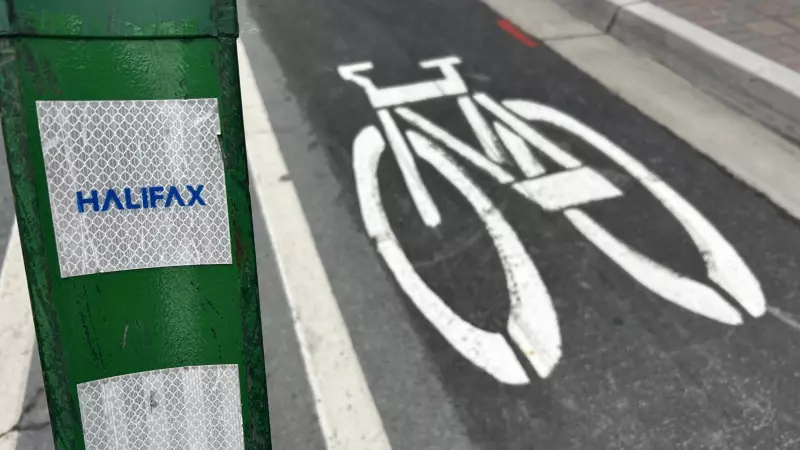
Halifax Mayor Calls for Fiscal Restraint Amid Ballooning Bike Network Costs
In a significant development for municipal infrastructure planning, the Mayor of Halifax is advocating for robust cost-saving measures as the estimated price tag for the city's proposed bike network has experienced a substantial increase. The project, initially budgeted at a lower figure, now faces a dramatically higher cost projection, raising concerns about fiscal responsibility and the allocation of public funds.
Escalating Estimates Prompt Prudent Response
The mayor's call for financial caution comes directly in response to the ballooning estimate for the comprehensive bicycle lane network. This infrastructure initiative, designed to enhance active transportation options and improve urban mobility, has seen its projected expenses rise considerably beyond earlier forecasts. The precise figures involved highlight a common challenge in municipal projects: accurately predicting long-term costs amidst variables like material prices, labor, and logistical complexities.
This situation underscores the delicate balance municipal leaders must strike between investing in progressive, sustainable infrastructure and maintaining strict budgetary discipline. The mayor emphasized that while supporting alternative transportation remains a priority, taxpayer dollars must be managed with utmost care and transparency. The unexpected cost surge necessitates a thorough review of the project's scope, timeline, and funding sources to identify potential efficiencies.

Broader Implications for Municipal Governance
The issue extends beyond a single project, touching on broader themes of municipal finance and strategic planning. Halifax, like many Canadian cities, faces competing demands for limited resources, including housing, public safety, and other essential services. A significant overrun in one area can strain the entire municipal budget, potentially delaying or derailing other important initiatives.
Key considerations now include:
- Re-evaluating the bike network's design and implementation phases to find cost reductions without compromising safety or utility.
- Exploring alternative funding mechanisms, such as phased construction or public-private partnerships, to alleviate immediate fiscal pressure.
- Enhancing project estimation methodologies to improve accuracy in future infrastructure planning, thereby avoiding similar surprises.
This development serves as a critical case study in municipal project management, highlighting the importance of adaptive planning and proactive fiscal oversight. As Halifax navigates this challenge, the outcome may influence how other Canadian municipalities approach large-scale infrastructure projects, particularly those aimed at promoting sustainability and active living.