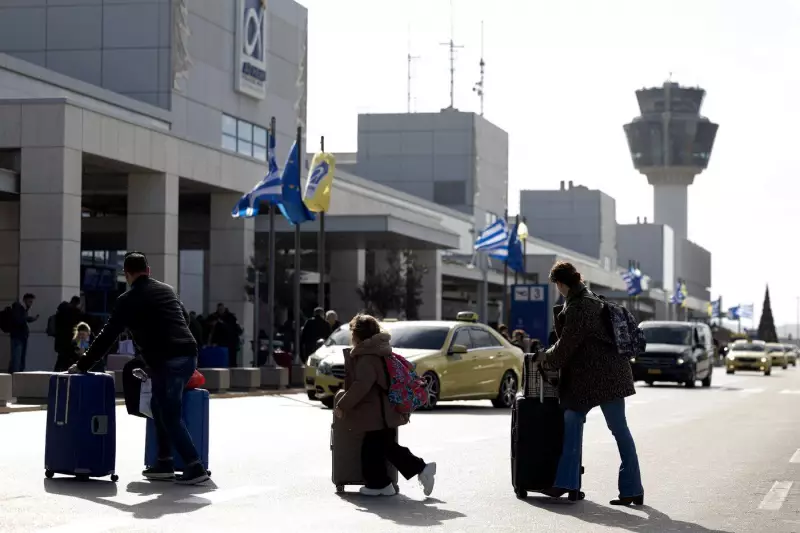
A significant failure in radio communication systems led to widespread flight disruptions across Greece on Sunday, January 4, 2026, forcing authorities to ground numerous flights. Greek officials have since indicated that a deliberate cyberattack is an unlikely cause for the incident.
Widespread Disruption at Major Airports
The technical issue, which impacted air traffic control communications, caused considerable delays and cancellations, primarily at the country's busiest hub, Athens' Eleftherios Venizelos International Airport. Passengers were seen navigating the terminals as their travel plans were thrown into disarray. The disruption underscored the critical reliance on seamless radio contact for managing the nation's airspace.
Investigators Rule Out Malicious Intent
While the immediate response involved assessing all potential threats, including cybersecurity, preliminary investigations point toward a technical malfunction. Greek authorities have stated that the evidence suggests the failure was not the result of a cyberattack. The focus has now shifted to identifying the precise technical root cause of the radio system's breakdown to prevent future occurrences.

Aviation Safety and System Resilience
The incident highlights the vulnerabilities within national aviation infrastructure. Grounding flights, while disruptive, is a standard safety protocol when communication with aircraft is compromised. The event on January 4, 2026, serves as a stark reminder for aviation authorities globally to continually audit and reinforce the resilience of their core operational systems against both technical faults and external threats.
As Greece works to fully restore normal operations and complete its investigation, the aviation community will be watching closely for lessons that can be applied to enhance the safety and reliability of air travel worldwide.