Freight Train Derails After Mudslide Strikes Skeena River Tracks in Northern B.C.
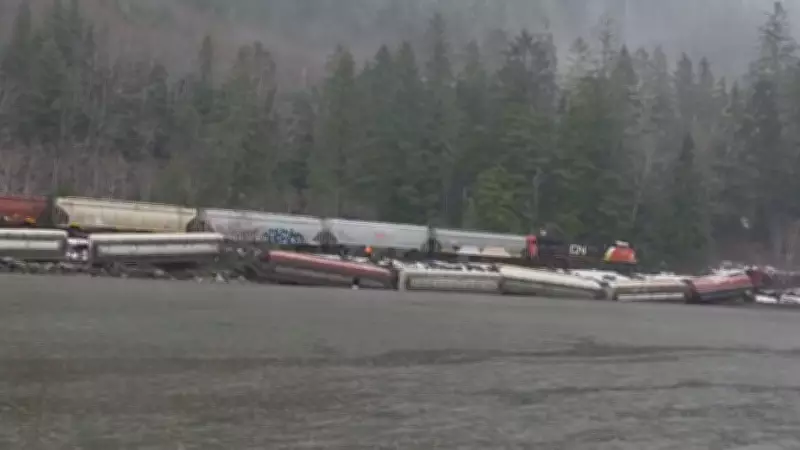
A freight train locomotive and several cars were knocked off the tracks along the Skeena River in northern British Columbia after a mudslide struck the area. The incident, which occurred recently, has disrupted rail operations and prompted investigations into the safety of the region's infrastructure amid ongoing environmental challenges.
Details of the Derailment Incident
The derailment involved a freight train traveling along the Skeena River, where a sudden mudslide caused the locomotive and multiple cars to leave the tracks. This event highlights the vulnerabilities of rail systems in northern B.C., an area prone to geological hazards such as landslides and erosion, particularly during periods of heavy rainfall or snowmelt.
Authorities are assessing the extent of the damage and working to clear the debris to restore normal rail service. No injuries have been reported in connection with this incident, but the disruption may impact freight transportation in the region, affecting local economies and supply chains.

Environmental and Safety Implications
Mudslides in northern British Columbia are often triggered by factors like extreme weather events, deforestation, or climate change, which can destabilize slopes and lead to such accidents. This derailment underscores the need for enhanced monitoring and preventive measures along critical rail corridors to mitigate risks.
Rail companies and government agencies are likely to review safety protocols and infrastructure resilience in the wake of this event. Ensuring the stability of tracks in geologically sensitive areas is crucial to preventing future incidents and maintaining reliable transportation networks.
Broader Context and Response
This incident occurs against a backdrop of increasing environmental concerns in B.C., where events like floods and landslides have become more frequent. It serves as a reminder of the interconnectedness between infrastructure safety and environmental management.
Efforts to address these challenges may include investments in better drainage systems, slope stabilization, and early warning systems for mudslides. Collaboration between rail operators, environmental experts, and local communities will be key to developing sustainable solutions.
As investigations continue, stakeholders are urged to prioritize safety and environmental stewardship to protect both people and property in northern British Columbia.