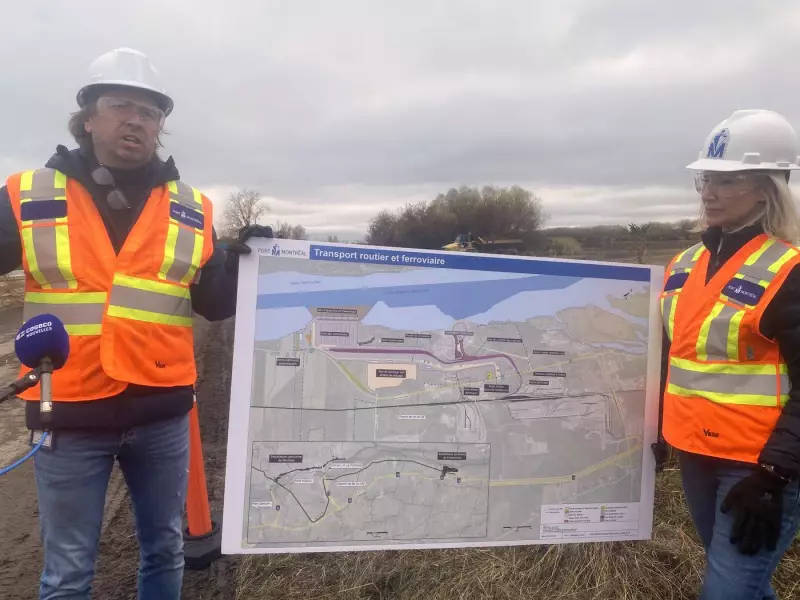
The federal government has given a crucial environmental nod to a significant infrastructure project in Quebec. The Department of Fisheries and Oceans has granted its authorization for the planned expansion of the Port of Montreal in Contrecoeur.
A Major Milestone for the Contrecoeur Project
This authorization represents a pivotal step forward for the Montreal Port Authority's ambitious plan to develop a new container terminal in Contrecoeur, located on the south shore of the St. Lawrence River. The project, led by Port of Montreal President Julie Gascon and Contrecoeur project vice-president Paul Bird, is designed to substantially increase the port's capacity and maintain its competitive position as a key North American trade gateway.
The approval process involved a detailed review of the project's potential effects on fish and fish habitat, a mandatory step under federal legislation. The green light from the Fisheries Department indicates that the port authority's plans have satisfied federal concerns regarding environmental protection in the aquatic zone.

Project Details and Strategic Importance
The expansion in Contrecoeur is a long-term strategic initiative for the Port of Montreal. It aims to address the growing demand for containerized cargo handling and to accommodate larger vessels. The new terminal will be constructed on a vast, currently underutilized industrial site, transforming it into a modern logistics hub.
Officials, including Vice-President Paul Bird, have previously highlighted the project's importance for supporting Quebec's and Canada's economy by enhancing supply chain efficiency and creating jobs. The authorization, dated for early January 2026, clears a major regulatory hurdle, allowing the project to advance toward the construction phase.
Next Steps and Economic Impact
With this federal authorization secured, the Montreal Port Authority can proceed with greater confidence in its development timeline. The project is expected to generate significant economic activity during construction and, once operational, will bolster the region's status as a central trade corridor.
The expansion is seen as essential for handling future trade growth and ensuring that the Montreal port complex can continue to serve as a vital link between North American markets and global shipping routes. The decision underscores the balance the federal government is seeking between enabling critical economic infrastructure and upholding its environmental stewardship mandates.