Eglinton Crosstown LRT Opens, Marking End of 15-Year Saga
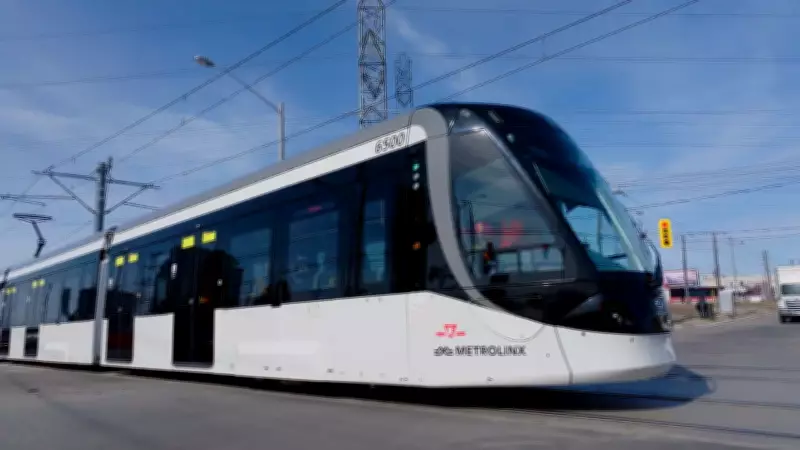
After a prolonged and often contentious 15-year journey, the Eglinton Crosstown Light Rail Transit (LRT) line in Toronto is finally set to open its doors to the public on Sunday, February 8. This monumental infrastructure project, which has been a focal point of urban development discussions, represents a significant milestone for the city's transit network. The opening comes after numerous delays, budget overruns, and public scrutiny, making it a case study in large-scale municipal undertakings.
A Retrospective on Challenges and Delays
The Eglinton Crosstown LRT project has faced a myriad of obstacles since its inception, including engineering complexities, funding issues, and logistical hurdles. These challenges have not only tested the patience of Toronto residents but have also highlighted the intricate nature of building modern transit systems in densely populated urban areas. The project's timeline, stretching over a decade and a half, underscores the difficulties in coordinating multiple stakeholders, from government bodies to private contractors.
Throughout its development, the LRT has been a subject of intense public debate, with critics pointing to cost escalations and schedule slippages as indicators of systemic issues in infrastructure planning. However, proponents argue that such projects are essential for addressing Toronto's growing transportation needs and reducing traffic congestion. The completion of the Eglinton line is seen as a step forward in enhancing connectivity across the city, particularly in midtown areas that have long suffered from limited transit options.

Lessons Learned for Future Urban Projects
The Eglinton Crosstown LRT experience offers valuable lessons for future infrastructure initiatives in Toronto and beyond. Key takeaways include the importance of realistic budgeting, transparent communication with the public, and adaptive project management strategies. By examining the missteps and successes of this endeavor, city planners and policymakers can better navigate the complexities of similar projects in the future.
Moreover, the LRT's opening serves as a reminder of the critical role that public transportation plays in sustainable urban development. As cities like Toronto continue to grow, investing in efficient and reliable transit systems becomes increasingly vital for economic vitality and environmental sustainability. The Eglinton line, once fully operational, is expected to serve thousands of daily commuters, reducing reliance on private vehicles and contributing to lower carbon emissions.
In conclusion, the launch of the Eglinton Crosstown LRT is not just a transportation milestone but a reflective moment for Toronto. It prompts a deeper look into how cities can learn from past projects to build more resilient and effective infrastructure for the future. As residents begin to use the new line, the focus will shift to its operational performance and long-term impact on the city's transit landscape.