Eglinton Crosstown LRT Finally Operational After Years of Delays
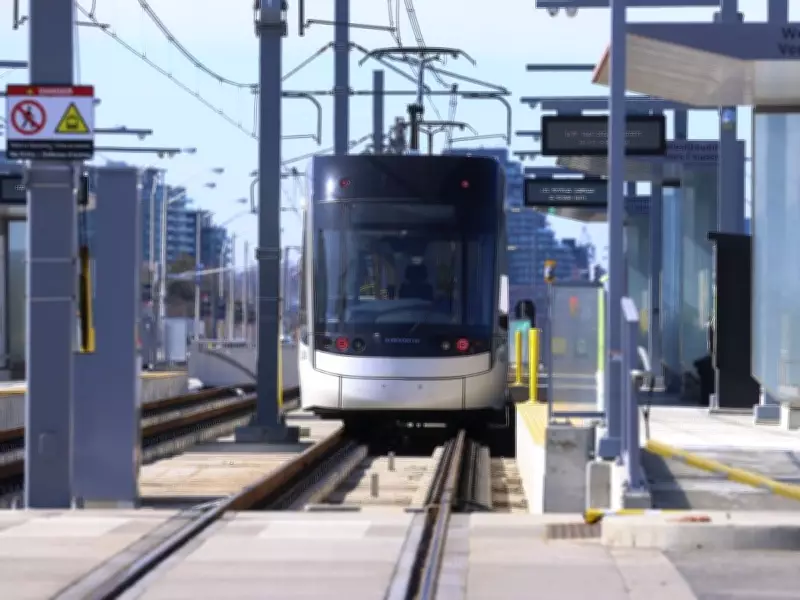
After a protracted 15-year journey marked by numerous delays, bureaucratic hurdles, and repeated postponements, the Eglinton Crosstown Light Rail Transit (LRT) has officially commenced service in Toronto this week. This monumental infrastructure project, operated by the Toronto Transit Commission (TTC) as Line 5, represents a significant milestone for the city's public transportation network.
A Long-Awaited Debut with Free Introductory Rides
The LRT officially opened to the public on Sunday, offering complimentary rides to allow residents to experience the new service firsthand. This soft launch period is designed to help the TTC identify and address any operational issues before full-scale service begins. The line spans an impressive 19 kilometres, connecting Mount Dennis Station in the west to Kennedy Station in the east, providing a crucial new transit option for commuters across Toronto.
Underground Efficiency: The Positive Aspects
Initial experiences with the Crosstown LRT reveal several positive features that justify the long wait for many Torontonians. The underground segments of the route demonstrate remarkable efficiency, with trains moving at rapid speeds between stations. During a recent Monday morning journey, the travel time from Mount Dennis to Kennedy Station was approximately 53 minutes, with the underground portion proving particularly swift.

Key advantages observed include:
- Lightning-fast travel when the train operates underground
- Consistent station stops lasting about one minute each
- Ample seating capacity even during peak hours
- Reaching the midpoint at Eglinton Station (Yonge Street intersection) in under 15 minutes
Many early riders appeared to be testing the new service out of curiosity, taking advantage of the opportunity to experience the fresh, modern transit option firsthand.
Surface-Level Challenges: Areas Needing Improvement
While the underground segments perform admirably, the above-ground portions of the route present significant challenges that require attention. Once the train emerges from underground around midtown, the travel experience changes dramatically.
Notable issues include:
- Slower travel pace dictated by regular vehicular traffic flow
- Frequent stop-and-go movement that can frustrate time-sensitive commuters
- Occasional extended stops lasting several minutes
- Abrupt, jarring stops that can unsettle passengers
The above-ground segment from the midtown area to Kennedy Station consumed approximately 40 minutes of travel time, suggesting room for optimization in scheduling and traffic coordination.
Learning from Predecessors and Future Optimizations
The TTC has valuable experience to draw upon from previous LRT launches, particularly the Finch West LRT that opened in December. That project faced mechanical issues that interrupted service, providing important lessons for the Crosstown implementation. Transportation officials are likely aware of the speed challenges in above-ground sections from extensive testing phases conducted before the soft launch.
Potential areas for improvement that the TTC will likely address include:
- Optimizing above-ground travel speeds
- Smoother braking and acceleration transitions
- Better integration with surface traffic patterns
- Enhanced scheduling reliability
Overall Impact and Community Benefits
Despite the identified challenges, the Eglinton Crosstown LRT represents a substantial advancement for Toronto's transit infrastructure. The service promises to benefit residents living along the Eglinton Avenue corridor and those needing to travel across the city efficiently. By providing an alternative to automobile travel, Line 5 has the potential to alleviate traffic congestion and reduce environmental impact.
As the TTC continues to refine operations during this initial phase, commuters can expect gradual improvements to both underground and surface segments. The successful implementation of this long-awaited project demonstrates Toronto's commitment to expanding and modernizing its public transportation network for future generations.