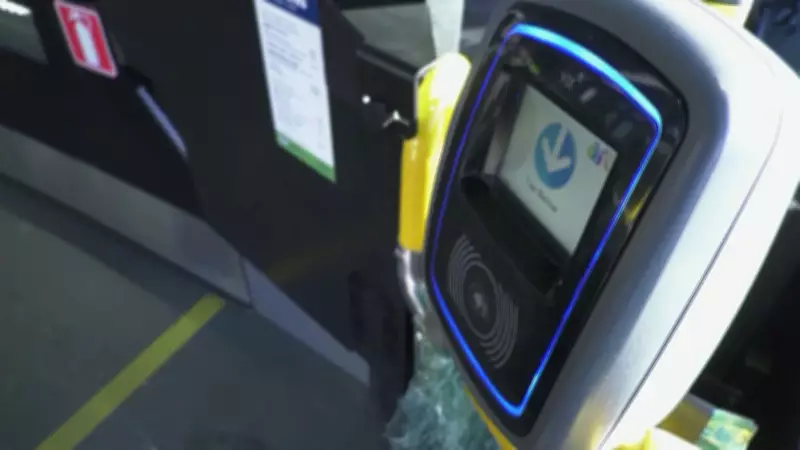
Edmonton Transit System Incurs Significant Financial Loss from Malfunctioning Fare Equipment
An internal audit has uncovered that the City of Edmonton's public transit network experienced a substantial financial setback last year, losing approximately $65,000 due to faulty Arc smart fare machines. The report, which scrutinizes operational inefficiencies, points to persistent technical issues with these automated payment systems as the primary cause of the revenue shortfall.
Details of the Audit Findings
The audit, conducted by city officials, meticulously examined transaction records and machine performance data over the course of the fiscal year. It revealed that multiple Arc fare machines across various transit stations and vehicles were not properly processing payments or issuing valid tickets, leading to uncollected fares. This malfunction not only impacted the city's bottom line but also raised concerns about the reliability of the transit system's infrastructure.
The $65,000 loss represents a notable drain on public funds, especially in a context where municipalities are increasingly reliant on efficient revenue collection to fund essential services. The audit emphasizes that these faulty machines have been a recurring problem, suggesting that previous maintenance efforts may have been insufficient to address underlying technical flaws.

Broader Implications for Public Transportation
This incident sheds light on the challenges faced by urban transit authorities in maintaining and upgrading payment technologies. As cities like Edmonton transition to smart fare systems to streamline operations and enhance user convenience, the risk of technical failures and associated financial losses becomes more pronounced. The audit report calls for a comprehensive review of the procurement, installation, and maintenance processes for these machines to prevent future occurrences.
Transit officials have acknowledged the issue and are reportedly working on corrective measures, including expedited repairs and potential replacements of the affected units. However, the report underscores the need for more robust monitoring and quicker response times to such malfunctions to safeguard public revenue.
In summary, the $65,000 loss due to faulty transit fare machines in Edmonton serves as a cautionary tale for other municipalities investing in automated payment systems. It highlights the critical importance of regular audits, proactive maintenance, and transparent reporting to ensure that public transportation networks operate efficiently and financially sustainably.