Edmonton Active Transportation Advocates Urge City to Address Icy Bike Lane Hazards
In the heart of winter, Edmonton's active transportation community is raising urgent concerns about the city's handling of icy conditions on designated bike lanes. Advocates argue that inadequate maintenance during freezing temperatures creates dangerous obstacles for cyclists, undermining efforts to promote sustainable and healthy commuting options year-round.
The Challenge of Winter Cycling Infrastructure
Edmonton's climate presents unique challenges for maintaining safe cycling infrastructure throughout the winter months. While the city has made significant investments in expanding its bike lane network in recent years, advocates contend that winter maintenance protocols have not kept pace with this expansion. The result, they say, is that many bike lanes become treacherous or completely impassable during periods of snow and ice accumulation.
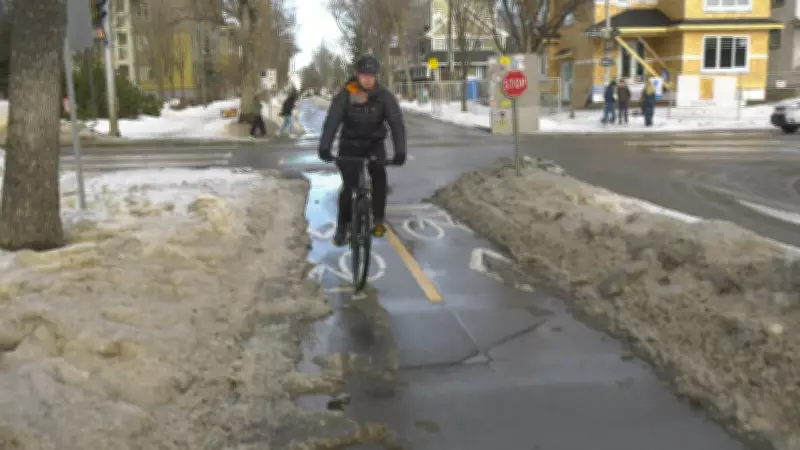
Ryan Jacques, a local cyclist navigating bike lanes on February 2, 2026, along 110 Street at 87 Avenue, exemplifies the daily reality faced by winter riders. His experience highlights the gap between infrastructure investment and practical usability during Alberta's extended cold season.

Advocates' Specific Concerns and Proposed Solutions
Active transportation groups have identified several key issues with current winter maintenance practices:
- Inconsistent clearing schedules that leave bike lanes covered in snow and ice for extended periods
- Inadequate de-icing treatments compared to what's applied to roadways for motor vehicles
- Snow accumulation from plowing operations that often blocks bike lane access points
- Lack of standardized maintenance protocols specifically designed for cycling infrastructure
Advocates are calling for the city to implement more robust winter maintenance strategies that prioritize bike lane accessibility. Their recommendations include establishing clear performance standards for snow and ice removal on cycling routes, increasing the frequency of maintenance during winter weather events, and ensuring that bike lanes receive comparable treatment to adjacent roadways.
The Broader Context of Active Transportation in Edmonton
This push for improved winter maintenance comes as Edmonton continues to expand its commitment to active transportation infrastructure. The city has set ambitious goals to increase cycling and walking as modes of transportation, recognizing the environmental, health, and congestion-reduction benefits of these alternatives to private vehicle use.
However, advocates argue that without reliable year-round accessibility, these investments risk becoming seasonal amenities rather than functional transportation corridors. They emphasize that consistent winter maintenance is essential for encouraging year-round cycling, particularly for commuters who rely on bicycles as their primary transportation mode.
The discussion around winter bike lane maintenance intersects with broader conversations about urban planning, climate adaptation, and equitable access to transportation options. As Edmonton continues to grow and evolve, finding sustainable solutions to winter infrastructure challenges remains a critical component of building a resilient, accessible city for all residents.