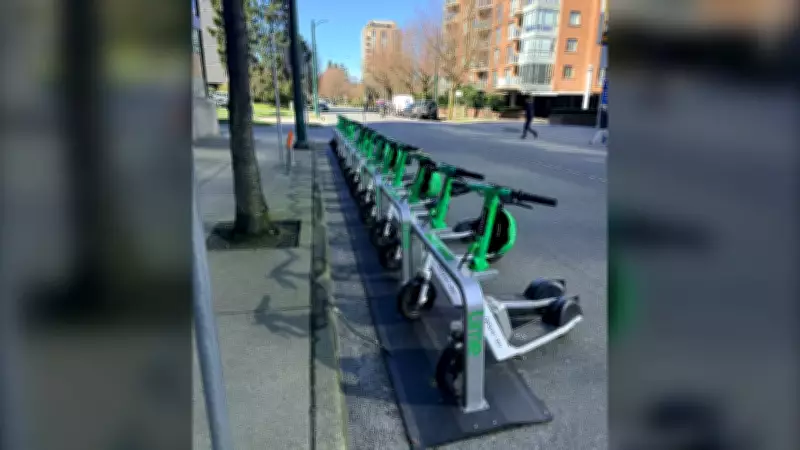
Vancouver E-Scooter Station Sparks Debate Over Accessibility and Active Transportation
By Becca Clarkson
Published: March 17, 2026 at 5:21 PM EDT
A new e-scooter station installed in Vancouver has ignited a heated public debate after it replaced an accessible parking space, highlighting tensions between the city's push for active transportation and the needs of individuals with disabilities. The move has drawn criticism from accessibility advocates who argue it prioritizes trendy mobility options over essential infrastructure for vulnerable residents.

Controversy Over Parking Space Replacement
The e-scooter station, part of Vancouver's broader initiative to promote eco-friendly and active transportation modes, was recently set up in a location previously designated for accessible parking. This decision has sparked outrage among community members and disability rights groups, who contend that removing such parking spots undermines inclusivity and creates barriers for those relying on accessible facilities.
Proponents of the e-scooter station, however, defend the installation as a step toward reducing carbon emissions and alleviating traffic congestion. They emphasize that active transportation solutions like e-scooters can contribute to a healthier, more sustainable urban environment, aligning with Vancouver's climate goals.
Balancing Priorities in Urban Planning
The debate centers on the challenge of balancing competing priorities in urban development. On one hand, cities like Vancouver are under pressure to adopt innovative transportation strategies to combat climate change and promote public health. On the other hand, ensuring equitable access for all residents, including those with mobility impairments, remains a critical obligation.
Critics argue that the replacement of an accessible parking space with an e-scooter station reflects a broader trend where active transportation initiatives sometimes overlook the needs of disabled individuals. They call for more comprehensive planning processes that integrate accessibility considerations from the outset, rather than treating them as an afterthought.
Community Reactions and Calls for Action
Local residents have expressed mixed reactions to the new e-scooter station. Some welcome the addition as a convenient and environmentally friendly travel option, while others voice concerns about the loss of accessible parking. Accessibility advocates are urging city officials to reconsider the placement and explore alternative sites that do not compromise essential amenities.
This incident has prompted calls for clearer guidelines and more robust community engagement in future transportation projects. Stakeholders suggest that involving diverse voices, including disability organizations, in the planning stages could help prevent similar conflicts and ensure that urban developments serve all citizens equitably.
Looking Ahead: Implications for Policy
The controversy in Vancouver may influence how other municipalities approach the integration of active transportation infrastructure. It underscores the importance of designing inclusive urban spaces that accommodate both innovative mobility solutions and the fundamental needs of vulnerable populations.
As cities continue to evolve their transportation networks, finding a harmonious balance between promoting active lifestyles and upholding accessibility standards will be crucial. This debate serves as a reminder that sustainable urban growth must be inclusive, ensuring that progress does not come at the expense of equity and accessibility for all residents.