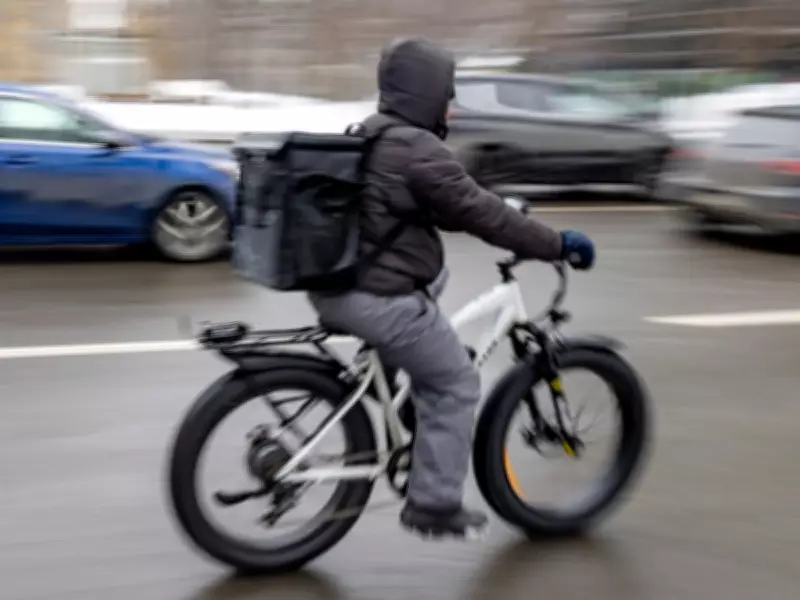
A recent coroner's investigation into e-bike fatalities has exposed significant regulatory shortcomings and enforcement challenges in Ontario, raising urgent questions about how to address what some describe as a "Wild West" scenario on urban roads.
The Growing Micromobility Challenge
Each spring, Ottawa's streets become increasingly crowded with a diverse array of electric-powered transportation devices. E-scooters, e-bikes, hoverboards, Segways, monowheels, and various small motorcycles compete for space with pedestrians, cyclists, and motor vehicles, often moving unpredictably between sidewalks, bike lanes, and traffic lanes.
This proliferation of what urban planners term "micromobility devices" has created confusion among both users and observers. The lack of clear visual indicators—such as consistent licensing or registration—makes it difficult for anyone to understand which rules apply to which vehicles.

Coroner's Investigation Reveals Disturbing Findings
The E-bike Death Review, released quietly in February 2025, examined 25 fatal crashes across Ontario, including five detailed cases from Ottawa. The investigation team included representatives from Ottawa Police, Transport Canada, Ottawa Public Health, the City of Ottawa, the Canadian Electric Bike Association, and the Traffic Injury Research Foundation, led by Regional Supervising Coroner Dr. Louise McNaughton-Filion.
Their findings revealed a troubling reality: many vehicles involved in fatal crashes that were marketed and sold as e-bikes actually functioned more like motorcycles. These devices had often been modified to reach speeds up to 70 kilometers per hour without corresponding safety upgrades to steering mechanisms, braking systems, or tires.
Profile of Fatal Crash Victims
The Ottawa cases examined in detail involved:
- Three men in their 50s
- One man in his 60s
- One man in his 30s
Significantly, all five individuals had previously lost their driver's licenses. Three had suspended licenses at the time of their crashes, while the other two had experienced earlier suspensions but held active licenses when the incidents occurred. These suspensions resulted from various infractions including driving violations, impaired driving offenses, medical issues, or combinations of these factors.
The coroner's report notes that these individuals "appeared to be using their e-bike as a substitute for a registered, licensed vehicle."
The Regulatory Gap
The fundamental problem identified by investigators stems from how these vehicles are classified and regulated. Despite their motorcycle-like capabilities, modified e-bikes continue to be treated as bicycles under current regulations because they:
- Are electrically powered
- Had pedals when originally sold
- Are marketed and sold as electric bicycles
This classification mismatch creates dangerous situations where vehicles capable of high speeds operate without the safety standards, licensing requirements, or enforcement mechanisms that apply to motorcycles and other motor vehicles.
Broader Implications for Urban Safety
The coroner's findings highlight a critical need for regulatory reform in how Ontario manages emerging transportation technologies. As micromobility devices become increasingly prevalent in urban environments, the gap between vehicle capabilities and regulatory frameworks poses ongoing risks to all road users.
The report's release without significant public attention contrasts sharply with the urgency of its findings, suggesting that regulatory bodies may be struggling to keep pace with rapidly evolving transportation technologies.
With spring approaching and e-bike usage expected to increase again, the question remains whether Ontario will implement meaningful changes to address these safety concerns or continue with the current regulatory approach that the coroner's investigation has revealed as dangerously inadequate.