Major Commute Disruption in Toronto After Train Failure Near Union Station
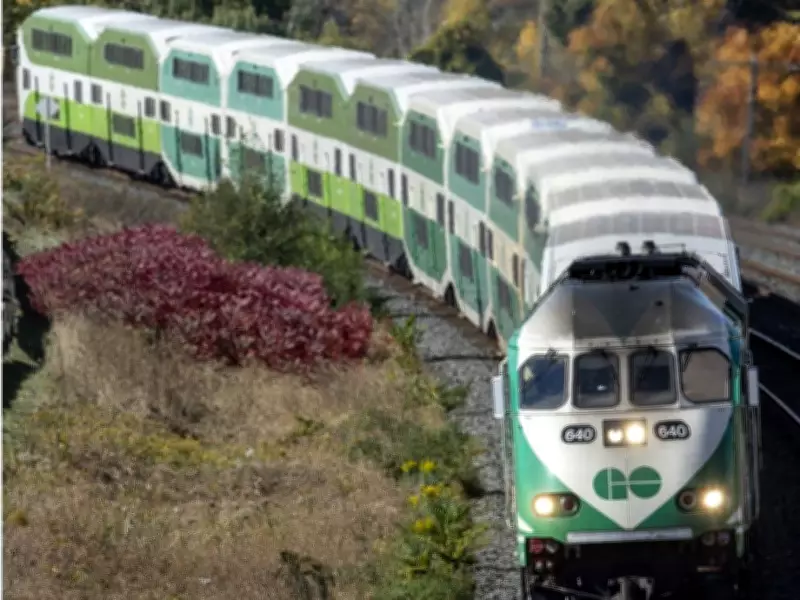
Commuters in Toronto faced significant disruptions on Monday morning as a disabled train near Union Station caused extensive delays across multiple transit services. GO Transit reported delays of up to two hours, affecting thousands of passengers during the busy morning rush hour.
Service Interruptions and Alternative Travel Options
According to official statements from GO Transit, repair personnel were actively working on the disabled train, but the situation required trains to hold at stations rather than proceeding through the affected area. The transit authority advised passengers traveling into Union Station to consider using the Toronto Transit Commission (TTC) as an alternative travel option during the disruption.
"There may be trip cancellations and modifications until the issue is fixed," GO Transit stated on its website. "To allow time for the repair personnel to work on the issue, trains will not be able to move through the area until the issue is resolved."

UP Express Service Also Impacted
The disruption extended beyond GO Transit services, affecting the Union Pearson Express (UP Express) that connects downtown Toronto with Pearson International Airport. The UP Express website reported no train service to or from the airport due to the disabled train west of Union Station.
As an alternative, express bus service was implemented between Union Station Bus Terminal and Pearson Airport. Passengers at intermediate stations including Weston, Mount Dennis, and Bloor were advised to use TTC services as travel alternatives during the service interruption.
Broader Context of Toronto Transit Challenges
This incident occurs against a backdrop of ongoing transit challenges in the Toronto area. The newly opened Finch LRT line has faced numerous operational issues in recent weeks, including switch problems, mechanical failures, and slow travel times that have frequently necessitated shuttle bus deployment.
The TTC has received numerous complaints about the 10-kilometre LRT project along the Finch corridor, which opened two years later than initially projected and came in at approximately $1.2 billion over Metrolinx's original budget estimate. These transit challenges highlight the broader infrastructure pressures facing Canada's largest metropolitan area as it works to maintain and expand its public transportation network.
The disabled train incident serves as a reminder of the vulnerability of urban transit systems to mechanical failures and the cascading effects such incidents can have on commuter mobility across multiple connected services.