Food Delivery Robots Could Soon Roll on Sidewalks in Select B.C. Cities
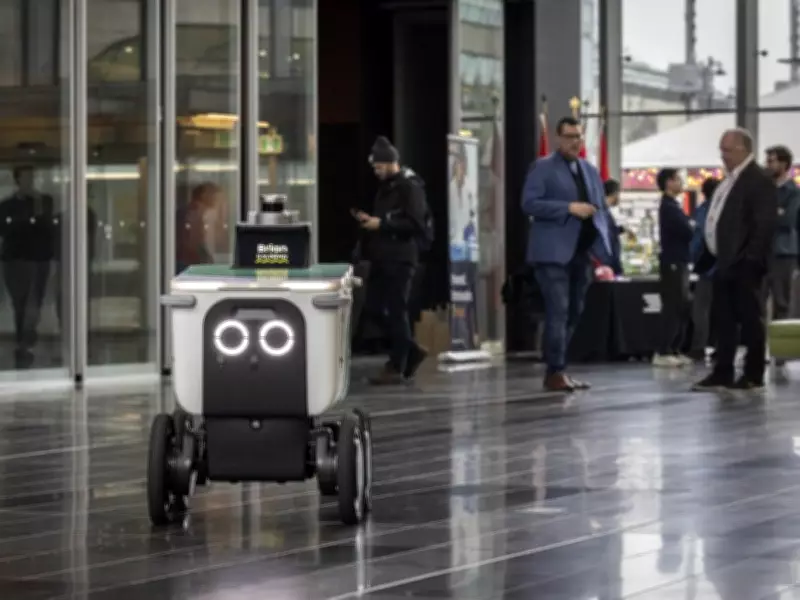
Rain was no obstacle for Brian, a sidewalk delivery robot from Serve Robotics, as he recently navigated the walkway in front of Surrey City Hall. This demonstration offered a glimpse into a potential future where autonomous robots could become a common sight in British Columbia's urban landscapes.
Exploring Pilot Projects in Three B.C. Municipalities
Serve Robotics is actively exploring the possibility of launching pilot projects in three British Columbia cities: Surrey, Vancouver, and North Vancouver. The company selected these locations based on discussions with its U.S. courier service partners, including Uber Eats and DoorDash, due to their high volume of food orders within a compact 2.5-kilometre radius.
Tyler Westover, Surrey’s director of business and government relations, noted that the city appeared to be a strong candidate for a future pilot, prompting Serve Robotics to approach them for a demonstration day. Westover emphasized that the city will proceed cautiously, engaging in further discussions with the company while consulting the community, local businesses, and the provincial government to fully understand the implications of introducing robots to public sidewalks.

Safety remains a paramount concern, according to Westover, who stated that the city must conduct thorough due diligence to ensure these interactions are safe and trustworthy for all residents.
Regulatory Hurdles and Municipal Responsibilities
While Serve Robotics has successfully deployed thousands of robots in U.S. cities like Los Angeles and Chicago, the company has yet to place a single robot on a Canadian sidewalk. The introduction of this technology in British Columbia hinges on municipal governments passing specific bylaws to permit their use.
Once municipalities give the green light, the onus shifts to the provincial government to amend the Motor Vehicle Act to regulate these micro-utility devices. This process mirrors the approach taken with the current e-scooter pilot project, highlighting the need for coordinated regulatory frameworks.
Operational Details and Safety Features of Serve Robotics' Technology
Brian, the robot demonstrated in Surrey, operates with a top speed of 18 km/h, though his average cruising speed is a more pedestrian-friendly four to six kilometres per hour. Designed for efficiency, Brian typically works 12-hour shifts within a 2.5-kilometre radius, pausing only to wait for orders outside restaurants or for customers to collect their deliveries.
At the end of each shift, Brian returns to a dedicated warehouse for recharging and maintenance. Although he navigates autonomously using an array of sensors and six cameras, remote operators can intervene if issues arise, taking control to maneuver him out of tricky situations or even backing him up as needed.
These operators can also activate Brian's microphone to address individuals attempting to tamper with or damage the robot. Additionally, Brian is equipped with mechanical brakes that remain functional even if the battery fails, adding an extra layer of safety.
Addressing Public Concerns and Future Considerations
Numerous questions surround the potential rollout of delivery robots in British Columbia. Key concerns include whether these devices should adhere to specific speed limits, how they will interact with other sidewalk users—particularly individuals using wheelchairs—and their ability to avoid collisions with unpredictable or fast-moving pedestrians.
As cities like Surrey weigh the benefits of this innovative technology against these practical and safety considerations, the coming months may determine whether British Columbians will soon be sharing their sidewalks with robotic couriers.