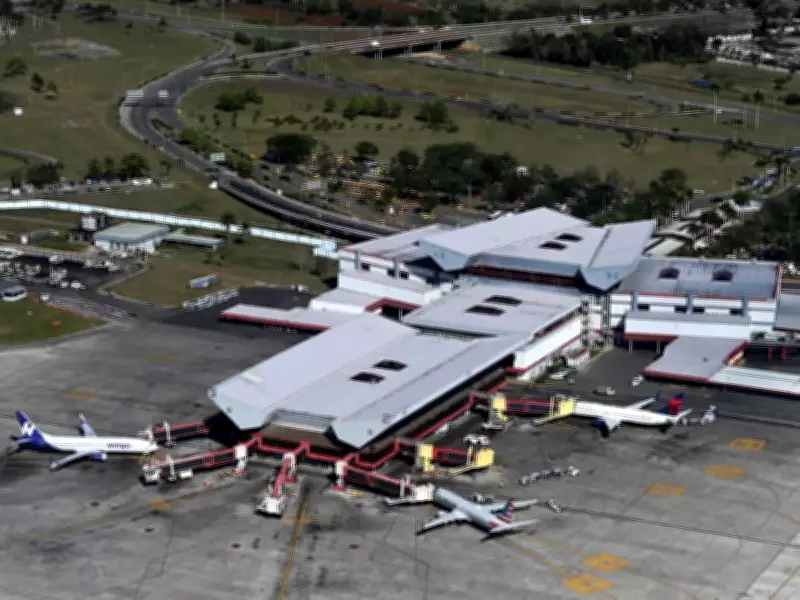
Cuba's Aviation Fuel Crisis Escalates with Month-Long Refueling Ban at Key Airport
The Cuban government has issued a stark warning to international airlines, declaring that refueling operations will be suspended at Havana's primary airport for an entire month. This unprecedented move comes as the island nation grapples with severe aviation fuel shortages, exacerbated by former US President Donald Trump's threats to impose tariffs on any country supplying oil to Cuba.
Critical Fuel Shortage Disrupts Air Travel and Tourism
According to a notice from the US Federal Aviation Administration, A-1 jet fuel will be unavailable at José Martí International Airport from Tuesday through March 11. This development places Cuba at risk of losing vital airline services that connect the island to global destinations. The fuel supply situation has reached critical levels, with Kremlin spokesman Dmitry Peskov confirming the severity of the crisis while stopping short of committing Russian assistance.
The immediate consequences are already materializing. Russia's largest airline, Aeroflot, has cancelled its commercial flights to Cuba and instead dispatched empty aircraft to retrieve stranded tourists. The airline has suspended all Cuba-bound flights until late March, leaving approximately 4,500 Russian vacationers currently on the island facing uncertain travel arrangements.

Regional Migration Changes and Economic Fallout
Simultaneously, Nicaragua has altered its immigration policies to block Cuban citizens from entering without visas, closing an important escape route for migrants. This policy shift occurs against a backdrop where nearly one-fifth of Cuba's population has fled over the past decade amid worsening economic conditions.
The aviation crisis threatens Cuba's crucial tourism industry, which provides essential hard currency for the government. Beyond tourists, commercial flights serve as vital conduits for supplies, with travelers often acting as "mules" bringing food, medication, and consumer goods to the cash-strapped island in their luggage.
Historical Context and Contingency Measures
This isn't Cuba's first experience with aviation fuel challenges. During previous economic crises, including after the Soviet Union's collapse in the 1990s, airlines adjusted schedules to refuel in Mexico or the Dominican Republic. However, current circumstances present unique complications.
The Cuban government has unveiled emergency measures to address the broader crisis, including:
- Reducing public transportation routes
- Shortening the work week to Monday through Thursday
- Moving some university classes online
- Consolidating tourists into fewer hotels
- Accelerating solar power transition plans
These measures come as Cuba's national electrical grid has suffered multiple complete collapses over the past year, highlighting the interconnected nature of the country's energy challenges.
International Responses and Humanitarian Concerns
The fuel crisis intensified in early January when Washington effectively halted fuel shipments from Venezuela, Cuba's top ally, by extraditing socialist leader Nicolás Maduro to face trial in New York. Despite these pressures, Havana maintains it's open to talks with the US while insisting its one-party system isn't negotiable.
In a humanitarian response, Mexico dispatched two navy ships carrying over 800 tonnes of aid, including food and personal hygiene products, to Cuba on Sunday. This assistance underscores the regional implications of Cuba's escalating crisis and the potential for broader humanitarian concerns if the situation continues deteriorating.
The aviation fuel shortage represents more than just a transportation issue—it's a symptom of Cuba's deepening economic isolation and the complex geopolitical pressures reshaping Caribbean relations. As airlines scramble to adjust operations and tourists face uncertainty, the coming weeks will test Cuba's resilience and the international community's response to this developing crisis.